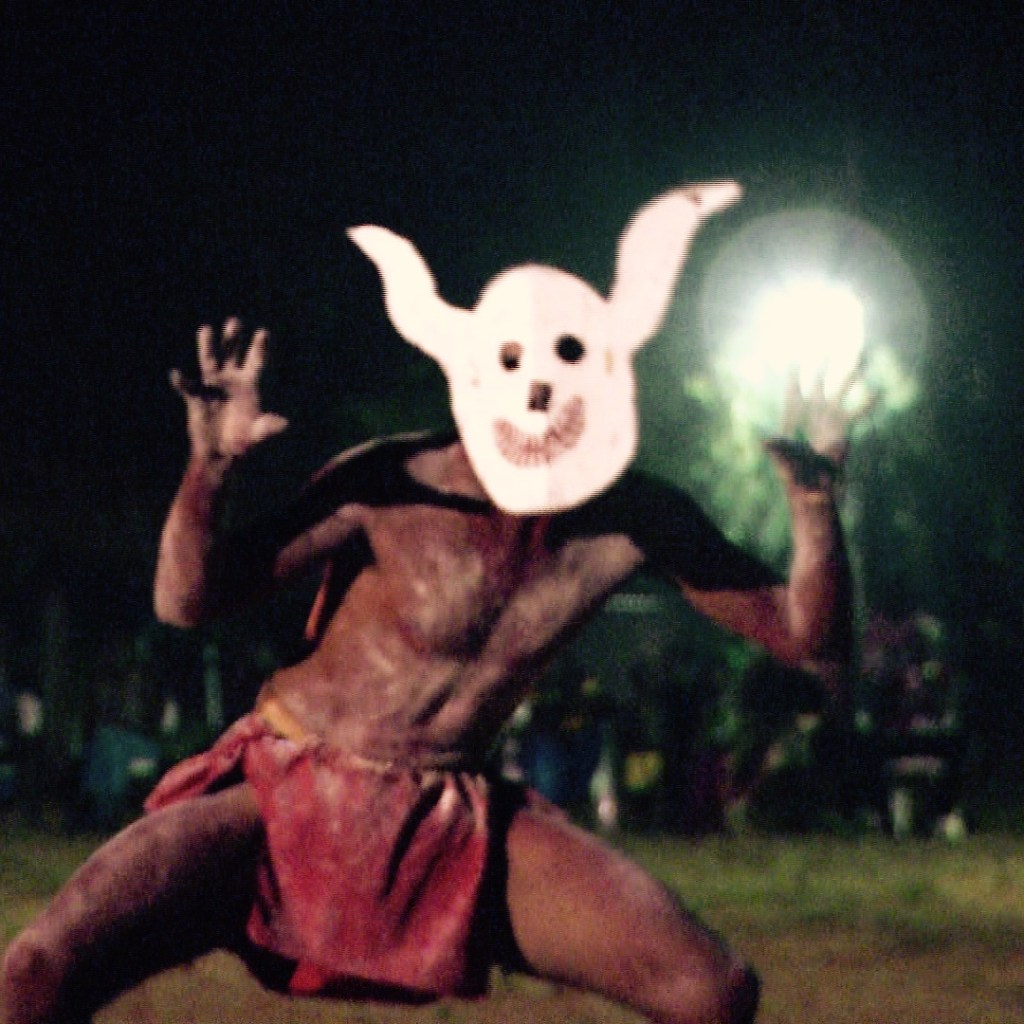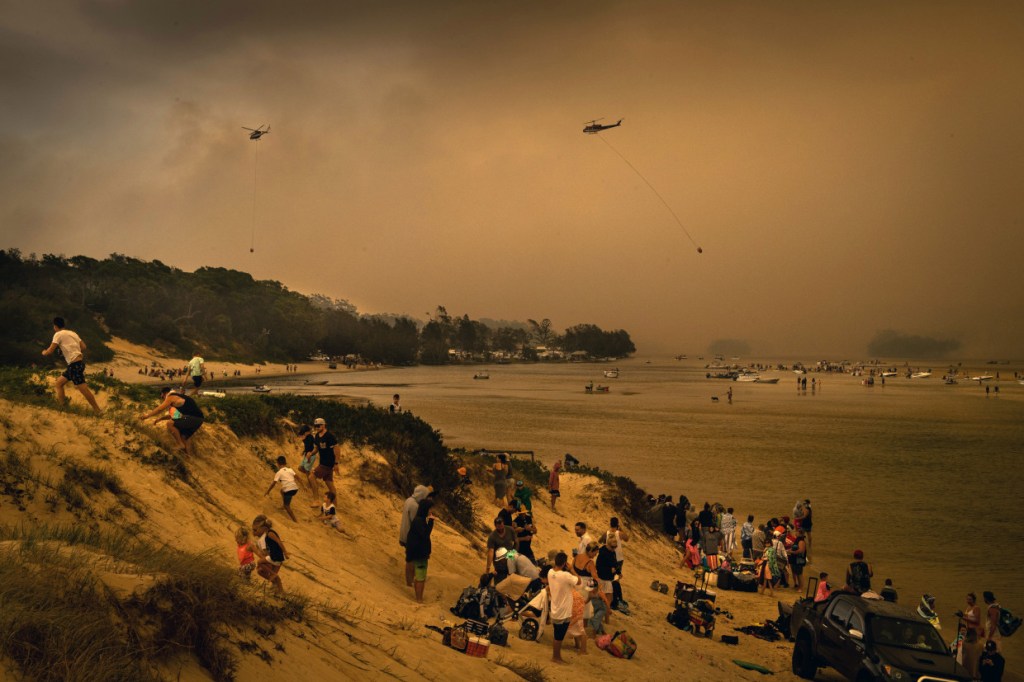
Disaster communication mediates how people respond to emergency situations. With the rise of new technologies, emerging media practices are being promoted by the state to govern communities at-risk. This article examines emergency smartphone applications rolled out in Australia during the 2020 black summer bushfires. An autoethnographic analysis of the author’s personal experience of sheltering in and evacuating from the coastal town of Mallacoota is employed to assess how current forms of disaster communication mediate emergencies. Focus is placed on the impact of disaster communications on people’s perception of community resilience. The two primary sources of information accessed by people during the bushfires – the state and close relations, construct a theoretical framework for comparing different models of communication. A comparative methodology that draws on archival material and critical discourse investigates the extent to which competing sources of information generate a productive conflict. I develop a model that defines distant transmissions and intimate exchanges for the shifting media histories of disaster communication, and argue the relationship cultivated by competing forms can generate resilience when disaster strikes.
Blog
-
Circulating cassettes of ceremony: Indigenous peer-to-peer networks in Arnhem Land
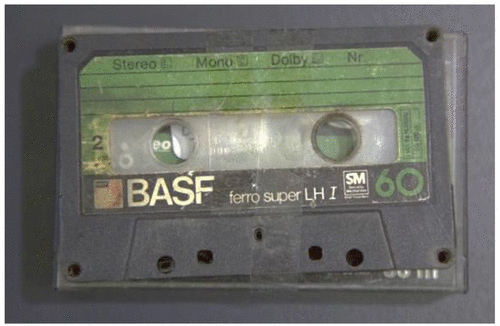
During the late 1970s, audio cassette technology became freely available in the Northern Australian Aboriginal reserve of Arnhem Land. Made for easy production and dissemination, magnetic tapes were loaded into mobile decks by clan leaders and distributed across the region. The transfer of clan-based knowledge using tape technologies built a rich collection of cultural records featuring ceremonial activity. The focus of this paper is not the content – what was recorded, but how ceremonial leaders employed hundreds of tapes to produce documentation in specific ways. Media theory is placed in a non-western historical context. I examine how a cassette library built by Indigenous peer to peer networks in Arnhem Land documents the media culture of a ceremonial society. A theory of ceremonial communication systems displays Arnhem Lands continuous and contemporary media history. I argue the circulation of cassettes extends movable media traditions in Indigenous Australia and formats new media practices now occupied by digital devices.
Media, Culture & Society, 2022. DOI: 10.1177/01634437211045543
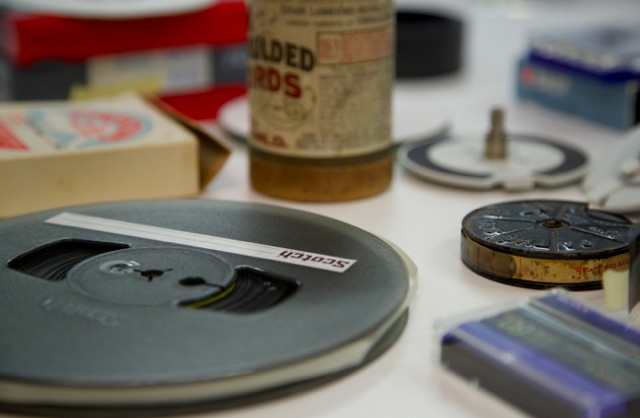
Figure: A cassette full of manikay from Daybalipu Munungurr’s collection, 2017. Image courtesy of AIATSIS.
-
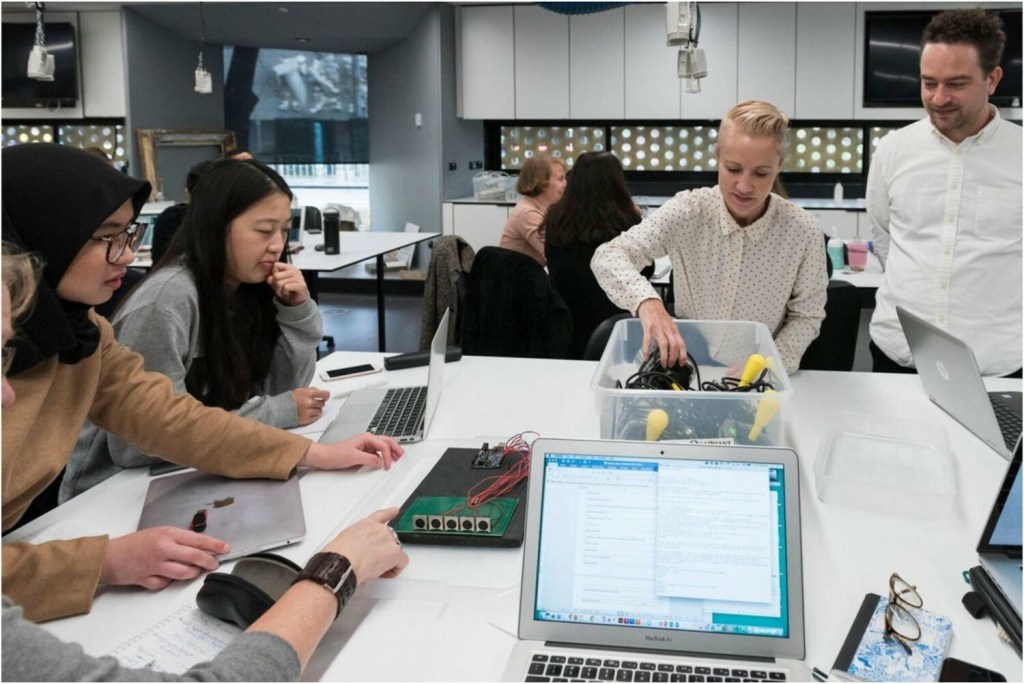
Updated? Teaching Conservation Through Time-Based Media Art
Time-based media art challenges conventional conservation methodologies. Can the disruption caused by new modes of practice contribute to disciplinary development? This paper reflects on teaching cultural material conservation through time-based media art. In particular, it focuses on how producing documentation engages conservation students and collecting institutions in a learning partnership. The outcomes generated by documenting time-based media art foregrounds twenty-first century conservation practices. Reflexive analysis reveals the way persistent practices and critical situations order these new modes of practice, renewing core approaches to conservation education. This paper argues that time-based media subject design can integrate emergent and established knowledge, and the exchange created enables important disciplinary updates to occur.
AICCM Bulletin, 42:1, 4-12, DOI: 10.1080/10344233.2021.2009662
Figure: Conservation Students unpacking Packman by Sean Dockray with lecturer Robert Lazarus at the University of Melbourne Grimwade Centre for Cultural Materials Conservation. Photo: Katrina Watson.
-
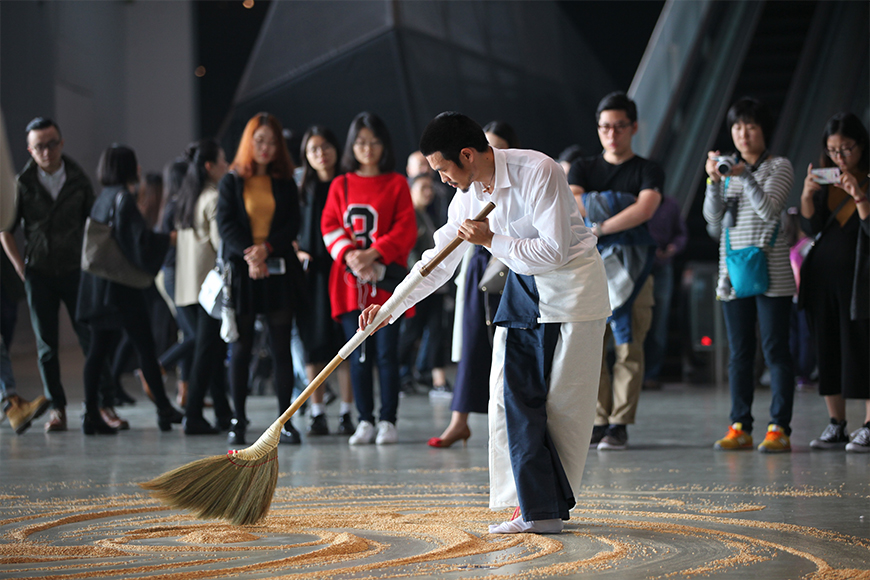
Preservation Through Knowledge Transmission: From Artist to Institution
The preservation of choreographic work lays challenge to the core principles of the traditional museum model—perpetuity and permanence. What processes might better serve the preservation of choreographic works? And how might knowledge transmission occur within and without the institution? The speakers in this session discuss case studies and experiences of archiving and conserving works that engage with body, memory and social networks. Louise Lawson discusses the conservation practice and processes that are being developed at Tate to preserve performance art. Robert Lazarus will reflect on the importance of stretching our understanding of conservation practices through the nature of the artworks themselves, and how this responsive approach can shape the teaching and learning of new generations of conservators.
Date:
Tuesday 3 November, 8pmPanel:
Louise Lawson (Conservation Manager, Tate) and Robert Lazarus (Lecturer, Grimwade Centre for Cultural Materials Conservation, University of Melbourne)Moderator:
Stephen Gilchrist (Lecturer, University of Sydney)Precarious Movements: Conversations is a three-part program of live talks with artists, curators and conservators that reflects on what happens when works of a choreographic nature enter into the museum. Each session focuses on a particular phase of a work’s museum life cycle: how its presentation challenges existing display systems and program infrastructure; how its ephemerality and mutability confront current collection and acquisition frameworks; and how a choreographic work’s particular relationship to body, memory and social networks might shift institutional practices of archiving and preservation.
Co-presented by MUMA and the Precarious Movements: Choreography and the Museum research group, this program reflects on the various types of knowledge transmission that occur at each stage of interaction between artist and museum, and how choreographic practices themselves might change the structural and material form of the museum. It advocates for the centrality of the artist’s voice and the capability of the museum to listen.
-
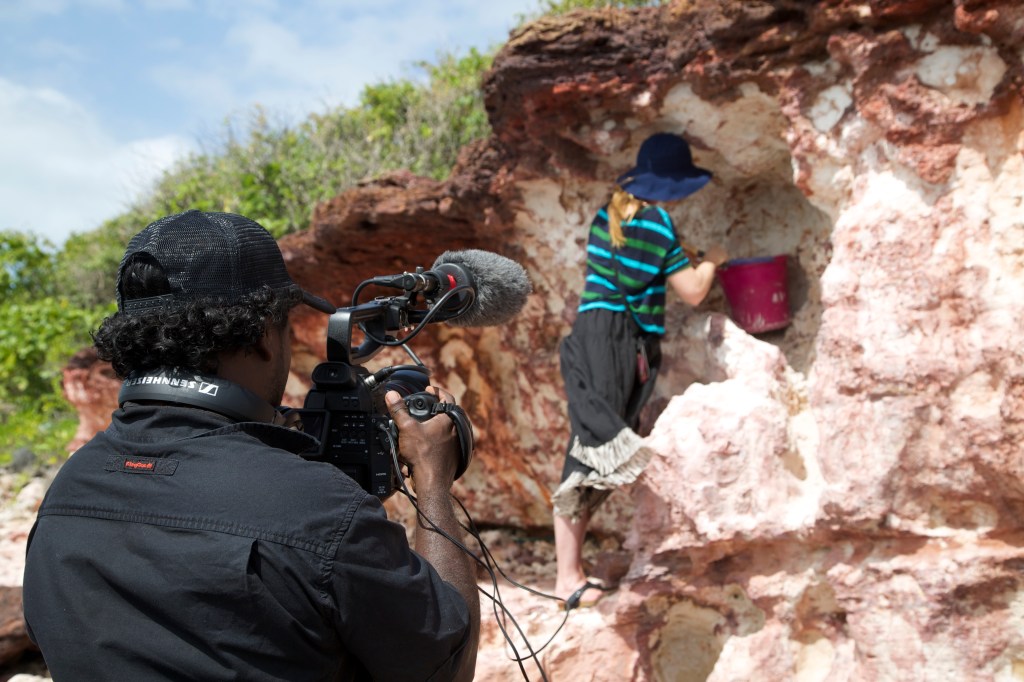
Locating cross-cultural fieldwork in the discipline of conservation
Interfacing with different cultural practices is a defining feature of working in the conservation field. However, do conservation students learn to value practices operating outside the pillars of the museum and university sector? This article examines a cross-cultural fieldwork subject and the knowledge exchange process. Research is based on the author’s experience of designing and teaching a field-based subject in an Indigenous owned and operated museum located in Northeast Arnhem Land, an Aboriginal reserve in the Northern Territory, Australia. The aim of the article is to foreground how disciplinary formation is both a physical and a cultural process shaped by learning environments. Arguably, cultural material conservation as an academic programme is determined by where learning takes place, and by moving it off-campus and into the field, students can recognise and negotiate a more diverse ecology of conservation practices.
Full article:
https://www.tandfonline.com/doi/full/10.1080/19455224.2019.1655080Journal of the Institute of Conservation Volume 42, 2019 – Issue 3
-
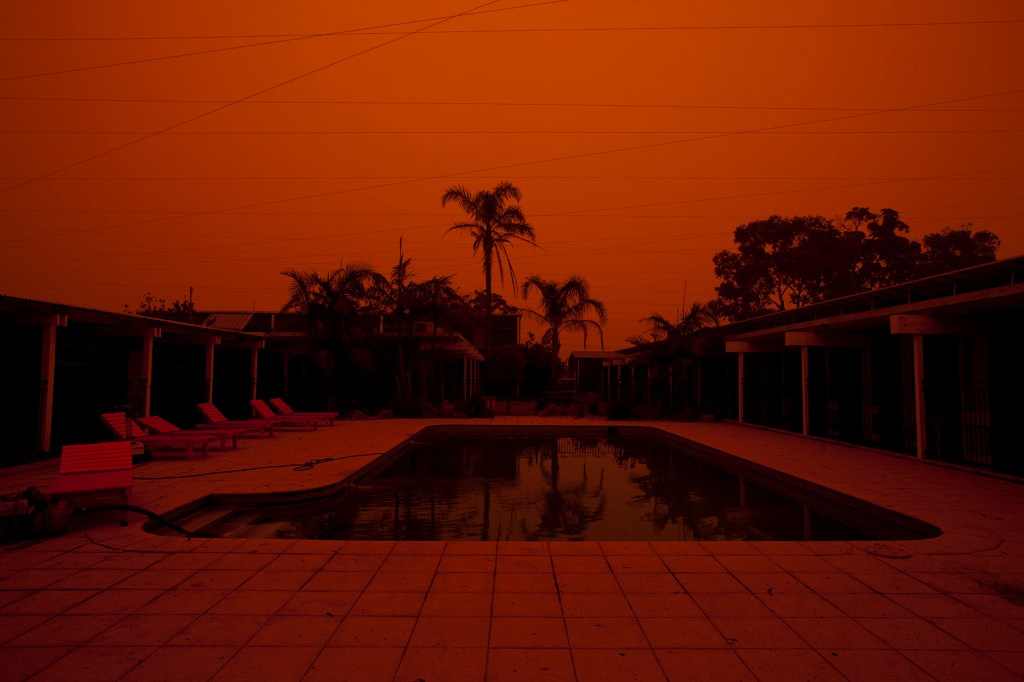
Smoke and Mirrors: Navigating Australias 2020 Bushfires
This presentation examines the states infrastructure monitoring systems for disaster management during Australia’s recent bushfires, with analysis focused on how interactions between individual citizens was mediated, producing information and incoherence, access and exclusion.
During Australia’s recent bushfires, state control centres used phone applications to map threats and manage populations. Newly developed information management systems for monitoring infrastructure pushed out live updates directly to users on how to circumnavigate danger. Over the 5-day crisis, an array of notifications advising socio-spatial processes for self-preservation were generated. But it was unclear how state-controlled ways of knowing and acting integrated with local systems of care. This presentation examines how citizens well-informed by 4G networks circulate in a critical scenario. The aim is to consider infrastructure monitoring as a method that manages populations and ask how can its deployment be managed to ensure the weakest survive. Analysis is based on an autoethnography of sheltering in and evacuating from Mallacoota, a UNESCO world biosphere reserve, alongside a 90 and 5-year-old far from home. The dynamic situation framed users of the state’s app as architects of collective action plans. But as the fast-moving fire fronts became more animated, the infrastructure monitoring systems converted knowledge holders from key actors into populations receiving transmissions. Is the state’s insistence on transforming locals threatened by bushfires into app users and information managers a problem? With the state investing in more and more infrastructure monitoring, coupled with the advent of mobile capabilities that index localised movements, how people navigate disasters is constantly updating. Navigating material and media environments during Australia’s 2020 bushfire laid bare how the live maps we follow enact a particular version of events, remediating how those on the ground define informed decision making and diagnose action plans.
Conference: ANTHROPOLOGY AND GEOGRAPHY: DIALOGUES PAST, PRESENT AND FUTURE.
ROYAL ANTHROPOLOGICAL INSTITUTEPanel: Infrastructures: Anthrogeographies of the state as an absent presence
14 September 2020 -
Documentation Cultures: Arnhem Land 1935 – 2015
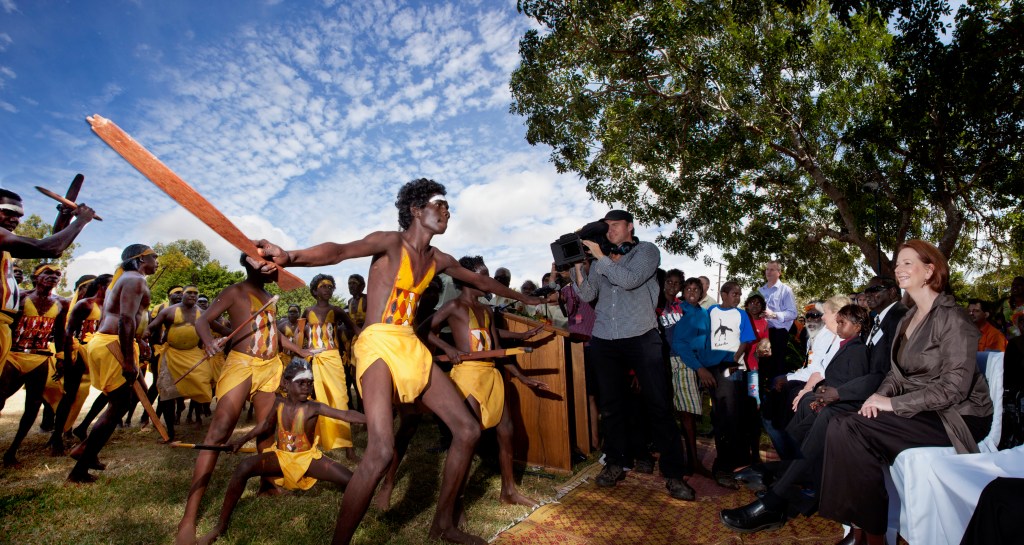
Ceremonial activity has always been a form of documentation for Yolngu – the Indigenous people of north-east Arnhem Land in the Northern Territory of Australia. Drawing on ethnography and archival research, I aim to show the intergenerational and cross-cultural role played by persistent documentation practices. My analysis is based on embedded fieldwork undertaken in Arnhem Land between 2008 and 2015. An ethnographic approach is combined with archival research to examine documentation produced by a range of Yolngu people between 1935 and 2015.
I argue, Yolngu approaches to documentation drives knowledge management locally and shapes cross-cultural projects, creating a mass of documents that reflects a documentary agency. Previous research on ceremonial activity, and ritual practices more broadly, has not explicitly addressed the ways in which knowledge is performed as documentation. This research enables a culturally inflected view of documentation that provides a different perspective on the ways in which media and performance is used as a means of acting in the world.
Each chapter includes a discussion of Yolngu engagement with documentary production, and the examination of documentary evidence selected from the archive. These multiple perspectives frame my analysis of performance and ceremony as documentation in the context of ritual, educational, artistic, legal and political action.
http://hdl.handle.net/1885/156804
-
Peppimenarti Publication
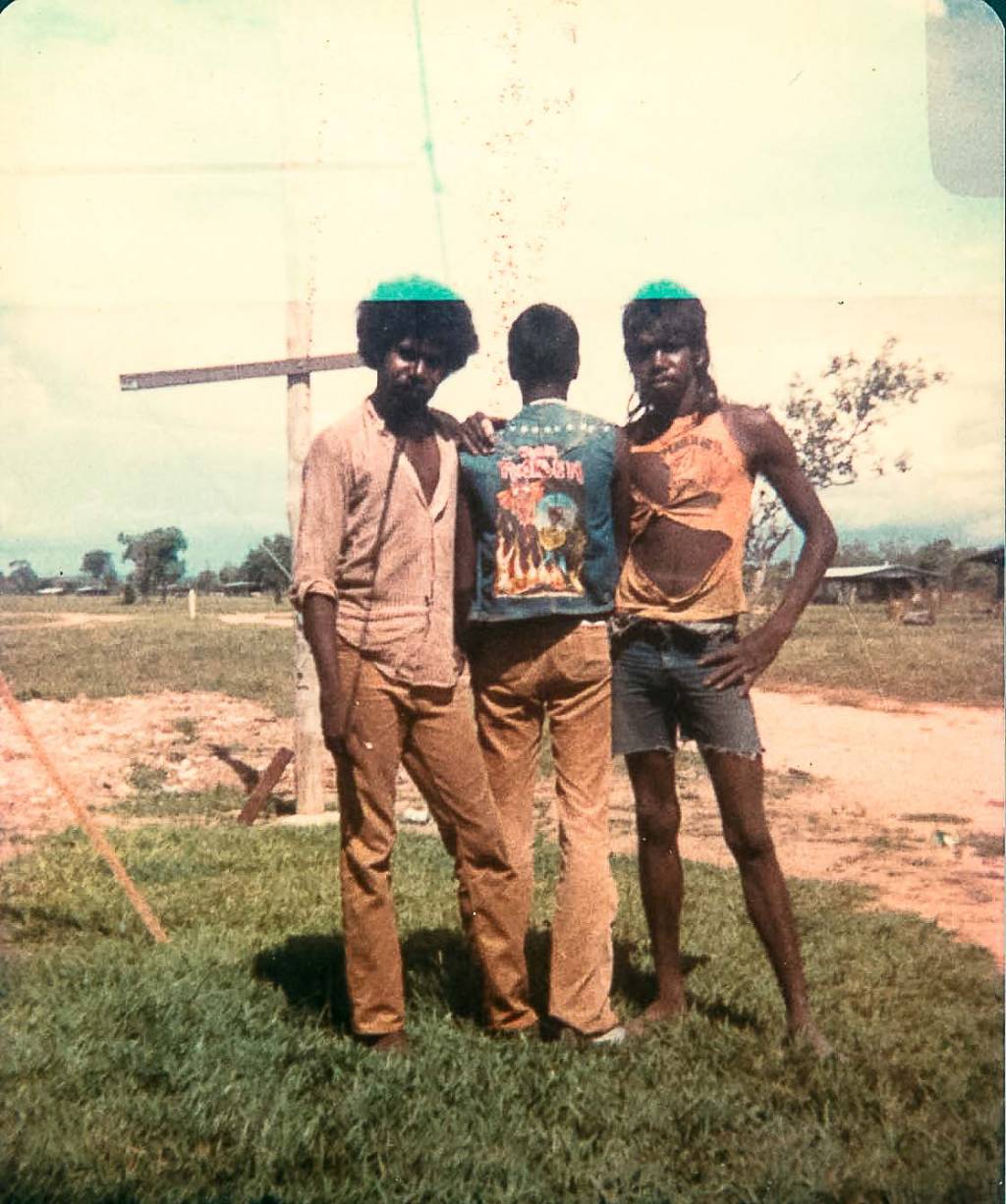
In Peppimenarti, there is no library, museum, or
higher education facility. A lack of infrastructure
has greatly limited intergenerational knowledge
transfer processes that take advantage of twenty
first century communication technologies and
platforms. The speed of technological growth and
the lack of a local infrastructure has left
Ngan’gikurunggurr and Ngan’gityemerri people
with little access to digital heritage resources.
In partnership with the Durrmu Art centre, we
have developed a digital heritage
program in Peppimenarti. To promote cultural maintenance,
leaders named the Digital archive and Publishing
Program Nimbi.
Nimbi features a large amount of digital material
documenting a local history of cultural, economic
and development. An archive of community
projects and economic enterprises, it is also a
knowledge base documenting how different
leaders seeked the protection and promotion of
cultural practices, through the transmission of
intergenerational knowledge, and the
development of learning programs in the arts.
-

Wukun Wanambi’s Nhina, Nhama, ga Ngama
All the infrastructure involved in circulating Wukun’s archival art – the warehouses of servers, the bulbs of electronic displays, the vaults of museums, the media of recording devices – become mechanisms for generating the trajectories of ceremony’s archival project. When discussing this publication with Wukun Wanambi, I asked him what was driving his archival art? He answered: ‘using the archive in my art is a way for people to understand Yolngu cultural practices’. Which cultural practices specifically, I enquired, he replied: ‘archiving…on the ceremonial ground’.
WUKUN WANAMBI’S NHINA, NHÄMA, GA NGÄMA
Indigenous Archives: The Making and Unmaking of Aboriginal Art
-
This is so contemporary?
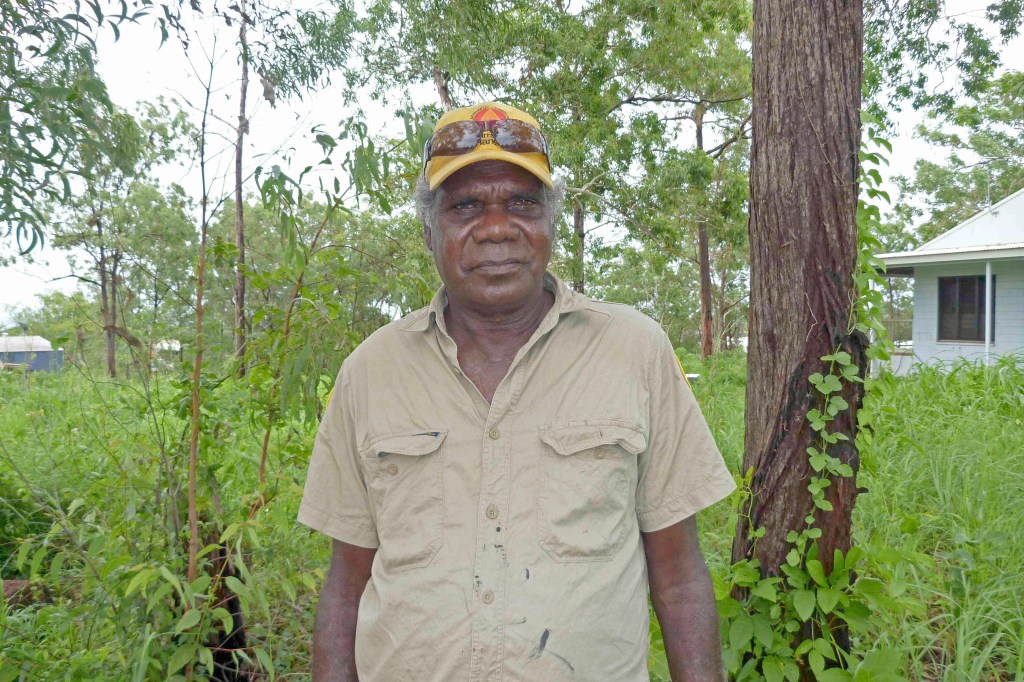
What conservation strategies can be used for Tino Sehgal’s 2005 work This Is So Contemporary, and what are their relations to oral cultures? Sehgal’s art leaves no material traces, as the artist resists the use of photos and videos acting as a documentary surrogate for his work. This paper will explore how Sehgal’s non-written documentation strategies connect to the work of Yumutjin Wunungmurra, a contemporary artist and ceremonial leader from Northeast Arnhem Land, Australia. The connection will be tracked through the role of caretaker and custodian that features in the workflow of both artists. The paper asks whether the performance-based strategies discussed can support the notion of conservation as a social process with multiple stakeholders.http://www.tandfonline.com/doi/full/10.1080/00393630.2016.1204528
Presentation focussed specifically on Sehgal as part of performance conservation conference with Jessye Wdowin-McGregor.
-
Land Rights Documentary
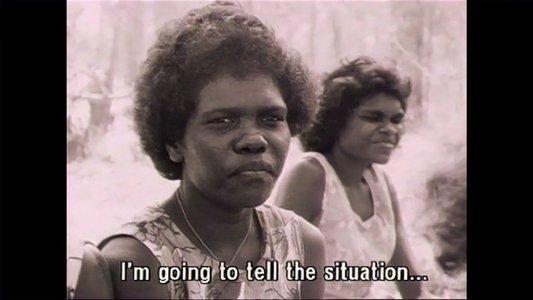
Yirrkala was an isolated mission station until the coming of a huge bauxite mine in the late 1960s. The impact of the mine on the Yolngu and their response then and now, is the focus of this short documentary.
Yolngu seeking control of their land in the face of mining operations is an ongoing story. The film was made in honour of Roy Marika by his Grandson (Ismael Marika), and would not of been possible without the support of Ian Dunlop.
Ishmael Marika directed this piece, I was producer and editor.
-
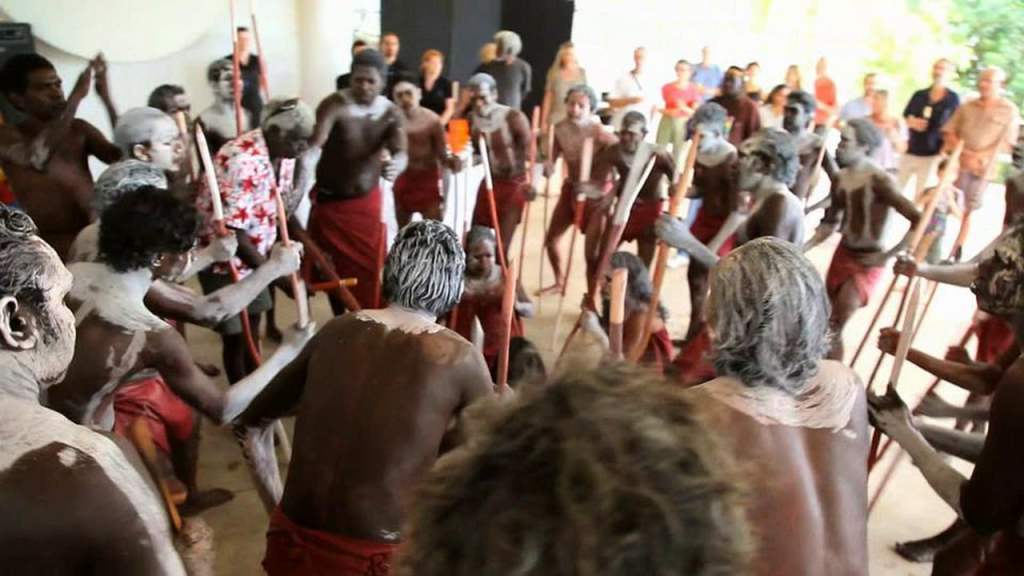
Performance as Documentation
Documenting the indivisibility of ceremonial art forms – dance, design, language, sculpture, story, music – according to the collective intent of the Rirritjingu. Capturing performance in the museum produces an exchange between how forms of documentation interlock.
<p><a href=”https://vimeo.com/33267681″>Yalangbara Opening 10min</a> from <a href=”https://vimeo.com/mulka”>The Mulka Project</a> on <a href=”https://vimeo.com”>Vimeo</a>.</p> -
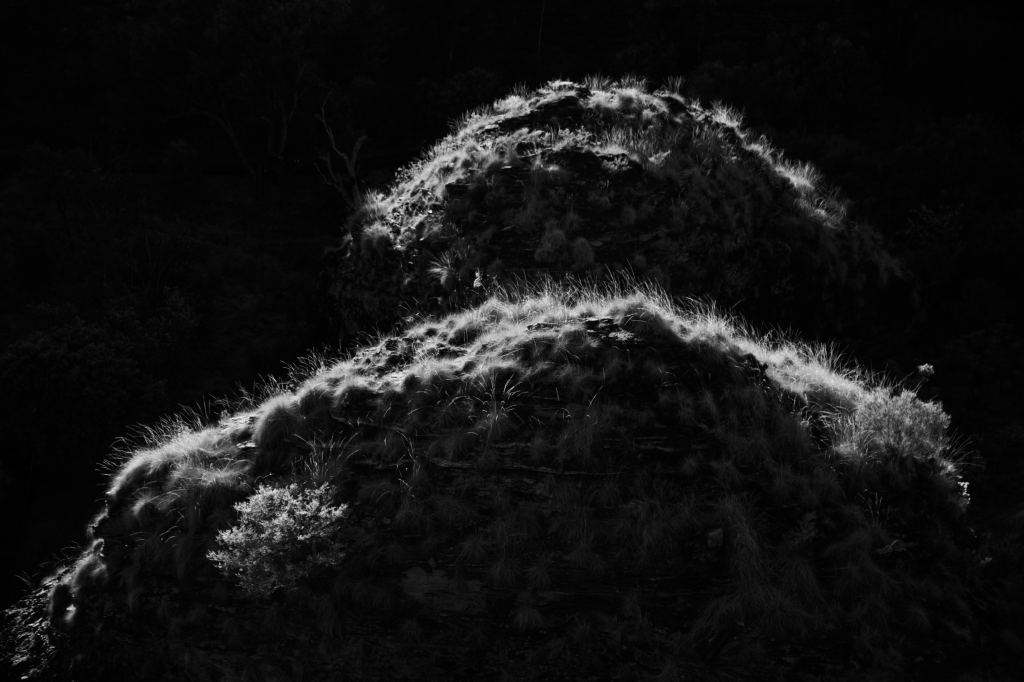
Hidden
Mirima landscapes conceal and open out, always at the point of glowing or disappearing. In this photographic world of East Kimberly noir, there is no opening scene, nor centre, and no particular image that grounds all others. There is only what remains on the ground – the re-appearance of light and a picture of the world that is incomplete. Images are composed to depict how places mask themselves from observers. Photographing persistent dark voids, sandstone peaks and resilient signs of life, depicts Kununurra conditions interacting with Mirima formations. While specific in its location, the book forms a wider allegory for Australian tensions between contested properties, hidden histories and layered landscapes. The intent is to record experiences at the threshold of private and public spheres. What emerges are veiled worlds and observable realities coexisting in culturally significant places. A warning to Miriwoong people, this book was created within the bounds of Mirima National Park and features images of cultural sites.
-
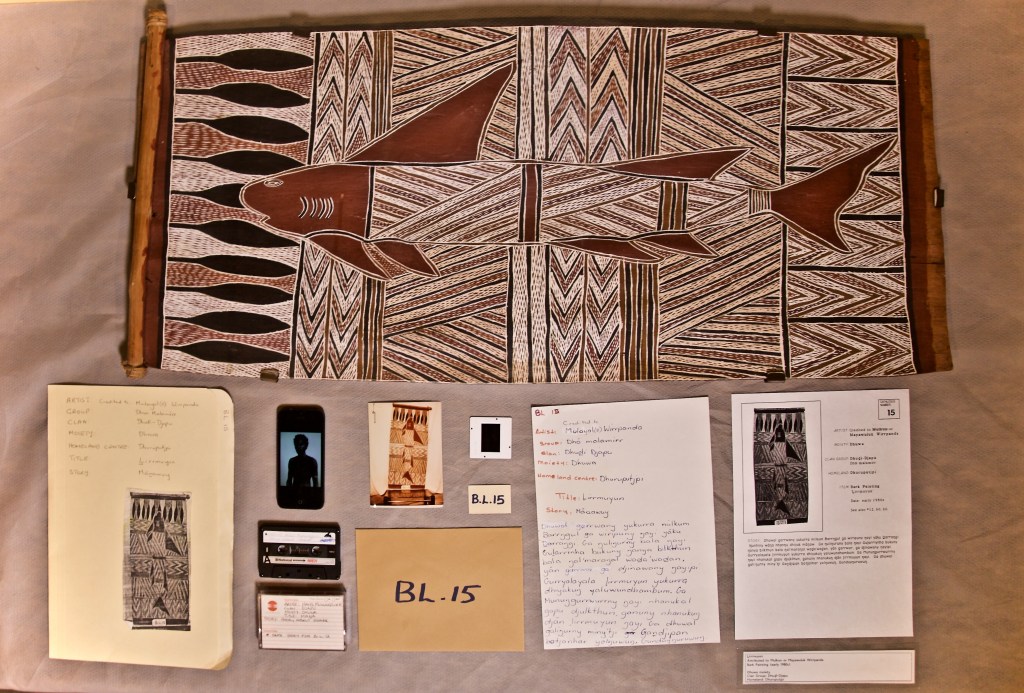
Support Yirrkala and Melbourne partnership
Can the continuous traditions and long-term commitments of Yolngu knowledge holders ground the the actions of emerging Western conservators?
Presentation focused on Yolngu archiving:
Booklet outlining conservation program taught in the Yirrkala museum:
-

Conservation media
Developing resources that support deeper levels of interaction and collaboration between centralised conservation experts, regional institutions, cultural workers, local volunteers, artists, students and professionals
-
Oral Cultures
Cultural materials recontextualised via ongoing preservation practices.
Or the coming together of electronic orality, critical heritage, remix culture and intergenerational collaboration.
http://www.flickr.com/photos/themulkaproject/4949646943/
-
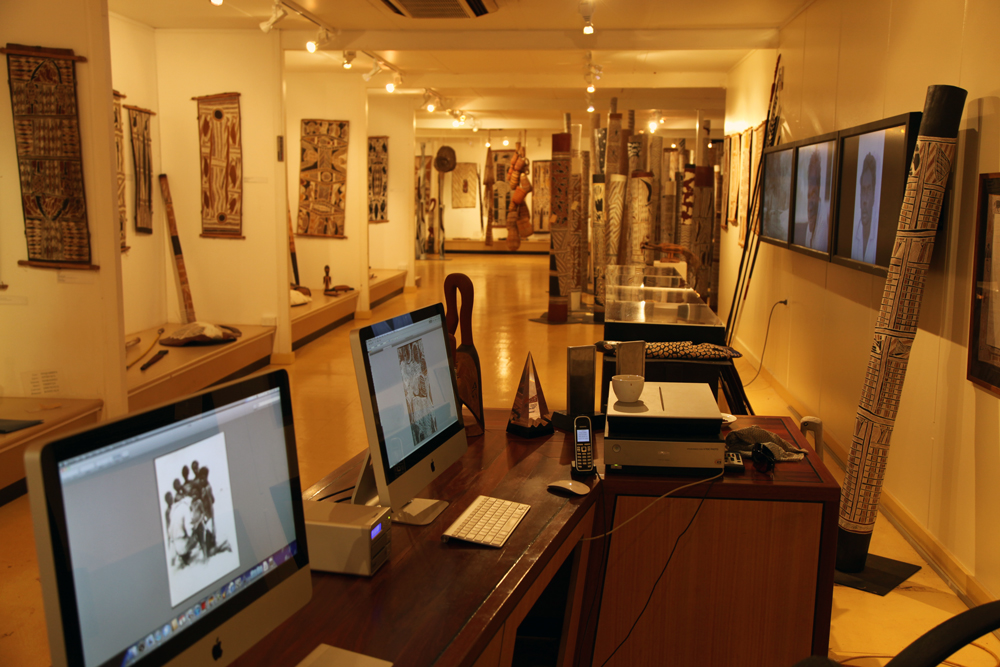
Yirrkala Museum
Museum installations were created in Yirrkala, under the supervision of Yolngu leaders. The Yirrkala museum has a long history and rich collection but since its development in the 1980’s, no investment had been made into its public displays.
A photo archive was developed featuring over 50,000 images of local people and events. Displayed using a range of platforms, the archive is now a community tool for managing local history. Images are repatriated from a range of sources and produced by community members, then extracted for ceremonies, publications and family albums.
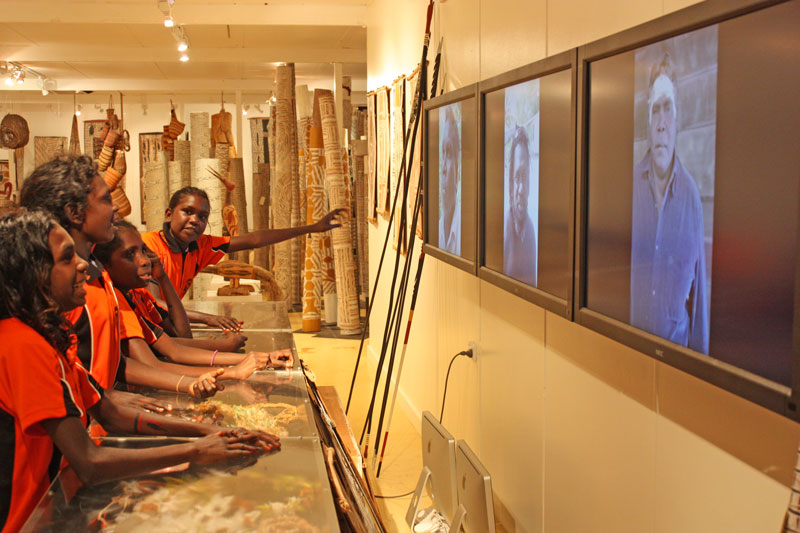
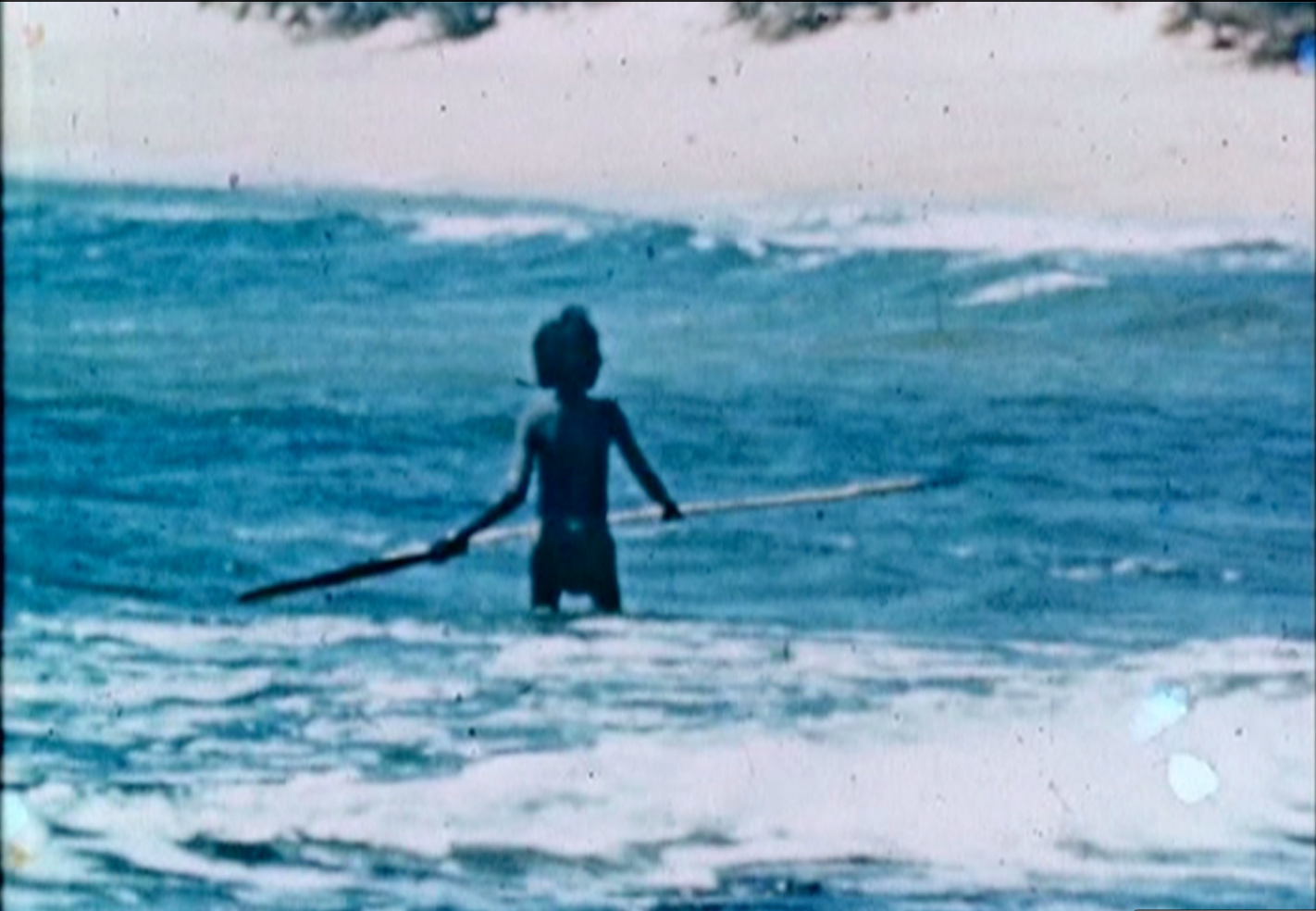
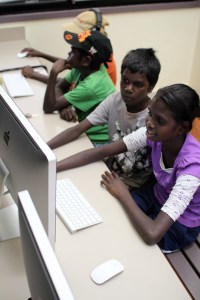
An archive of the 20th century is captured in the film history of Northeast Arnhem Land. The dialogic exchange continues through a range of workstations and installations in the museum. School children, researchers and artists come together to rework documentation of cultural practice.
Aboriginal owned and operated museum collection on country involved not only displaying public ceremonies, but also repatriating ethnographic collections.
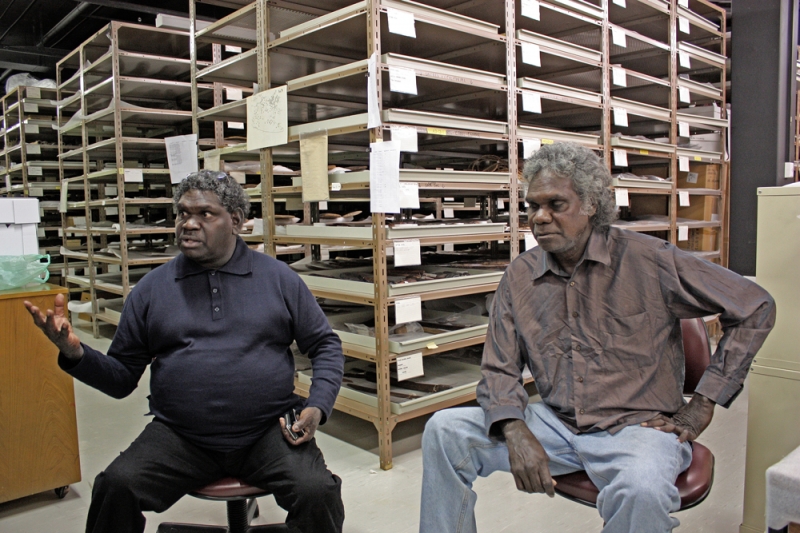 Disaster management plans and condition reports have been conducted for the collection. Following on from this, I wrote a significance assessment and conservation plan for the NLA. The aim is to support the public museums ongoing development under the leadership of Yolngu leaders.
-
Yirralka Rangers
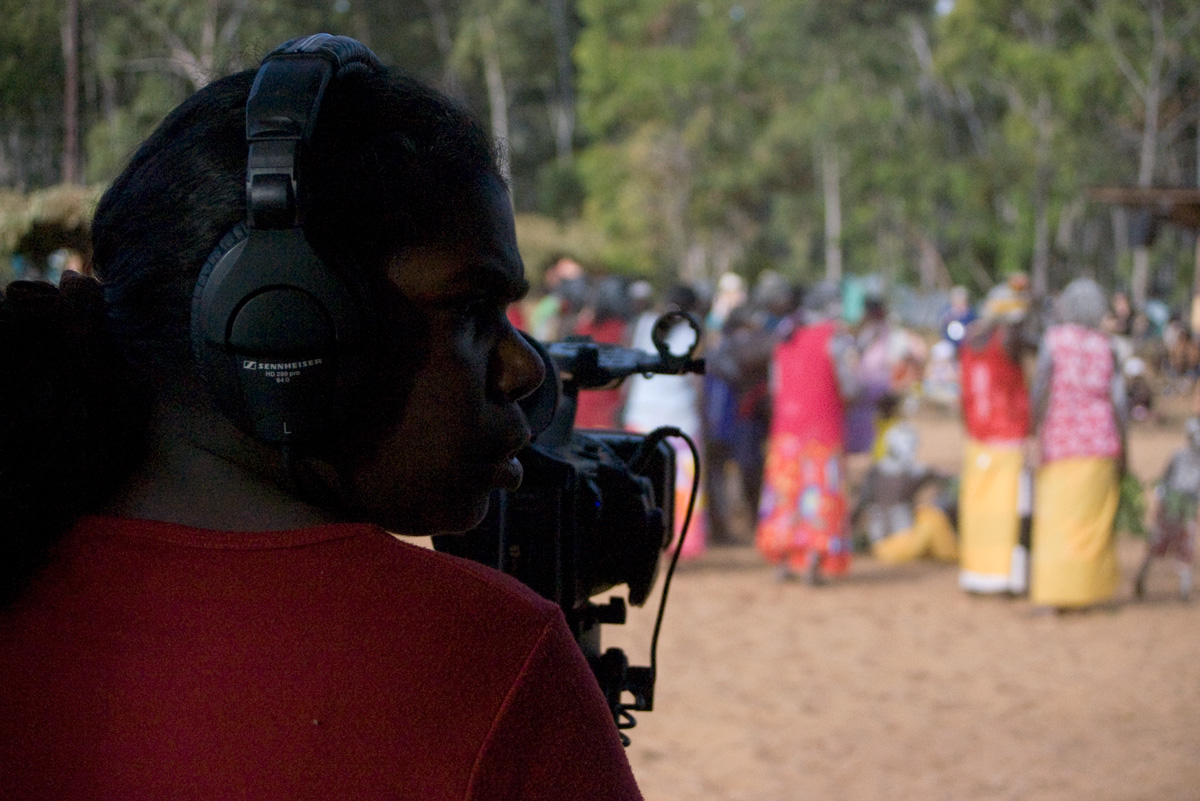
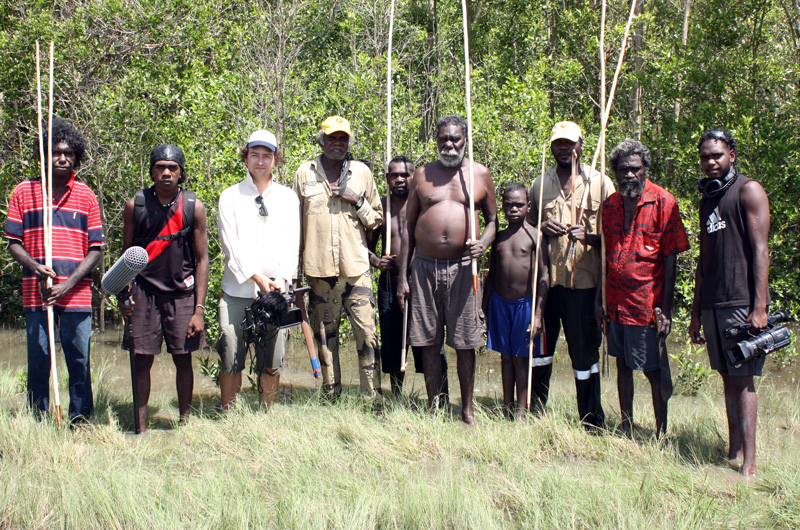
The Yirralka rangers in association with Yolngu traditional owners manage both land and sea in the Laynhapuy Indigenous Protected Area (IPA), which covers 6,900 sq. km in North East Arnhem Land, extending south from the Gove Peninsula to Blue Mud Bay. I produced and directed videos to promote new programs and develop cultural resources with Yumutjin Wunungmurra.

production stills -
Knife Dance
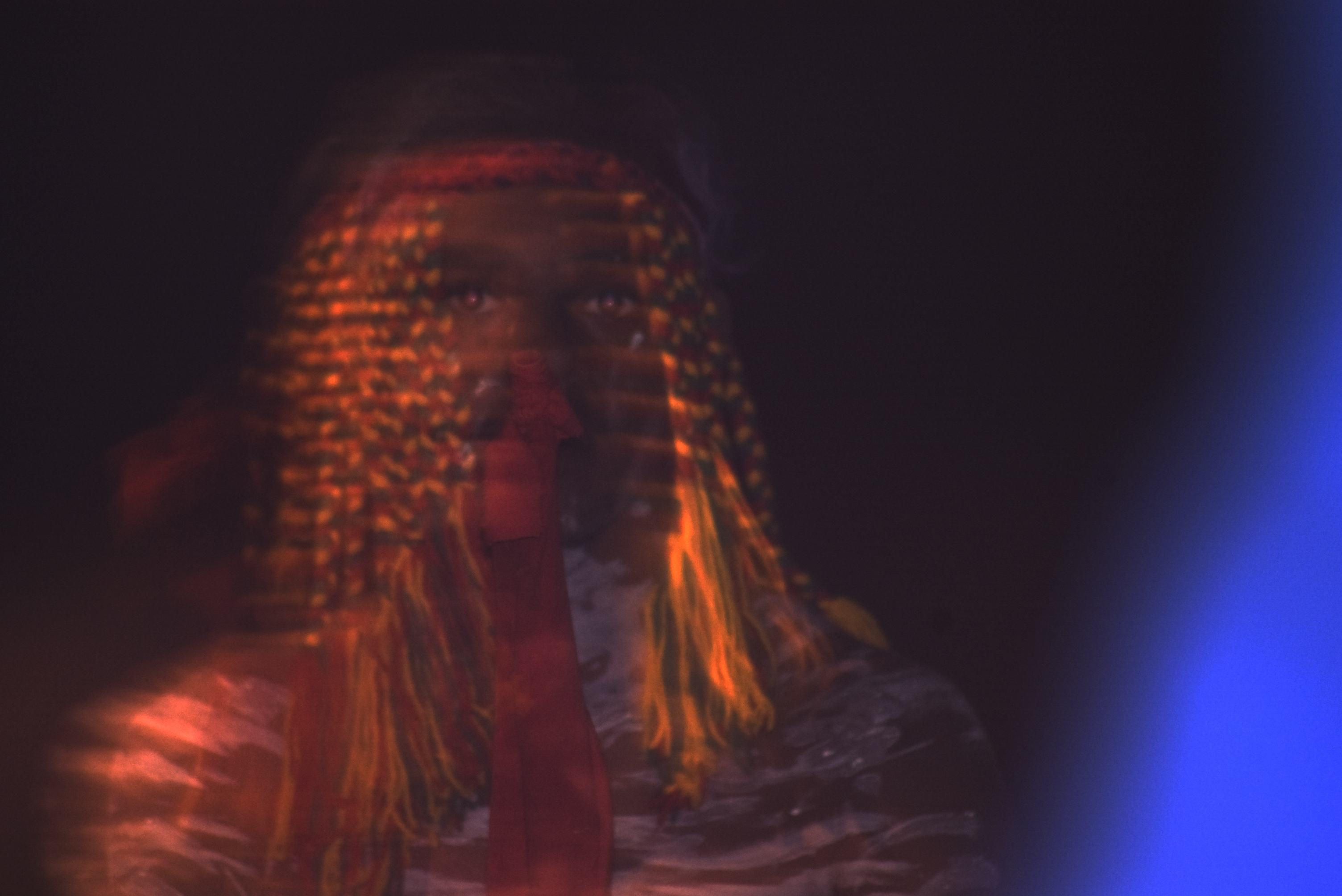
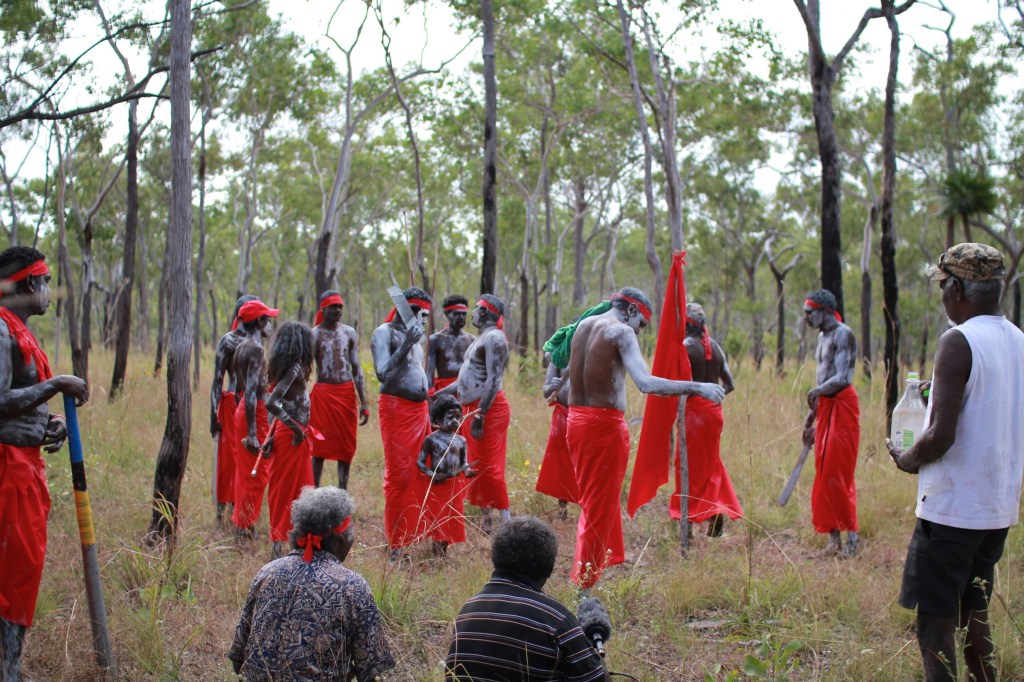
I received ‘unknown’ footage from the National Film and Sound Archives, and was asked to try and identify source.Yumutjin Wunungmurra identified his Father in the footage and the Dhalwangu Bungguls performed which reference earlier explorers – the Macassans from Sulawesi.
To process these fragments of recorded history and assemble a representation of cultural substance, Yumutjin wanted to create dialogue among different versions of history to demonstrate continuity to future generations.
The priority expressed by Yumutjin was not to reconstruct the past events as exactly as possible, but to engage various forms of authorship and intertwined processes of transfers into a performance-based realisation of continuous documentation. A production process was designed that accumulates various forms of intercultural authorship and connects all the interlaced media transfers.
 I produced, shot and edited Knife Dance (Yiki Bunggul) with Yumutjin Wunungmurra, who states:“This is my home and this is how we sing a song to Gurrumuru. The dancers are warriors of the knife, they prepare the place for balawukuwu djinydjiraywu mawulmirriwu gandjamarrwu birrabirrawu balandathuwu – the spirit warrior. They follow the same path as their ancestors by preparing the ground with ceremony.”

-
Teaching
 Rurrangala: ESL
 Cambodia: generating teaching resources
 Cambodia: ESL
 Gunbalanya: Literacy
 Teaching in the NT
 Learning to…
 Flying to remote Homeland schools
 Teaching with Katherine School of the Air in Dhuruputjpi


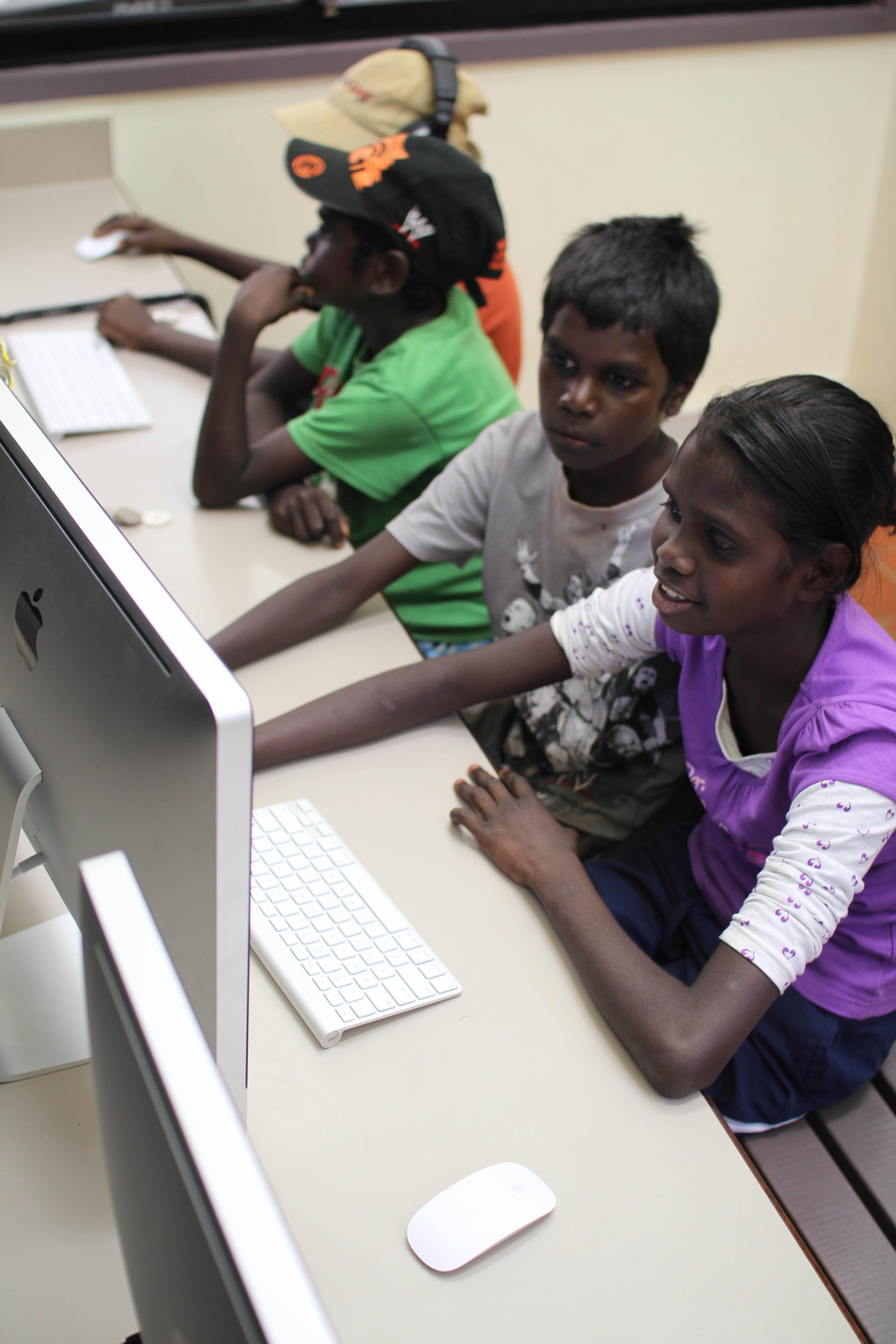
 Here are some of my photos from Audiovisual Preservation subject, taught in collaboration with NFSA:
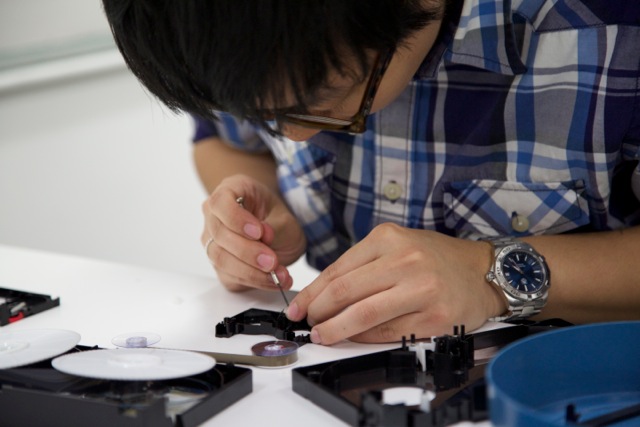
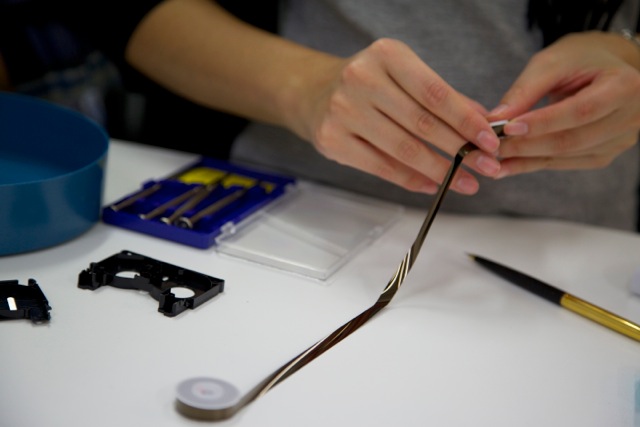
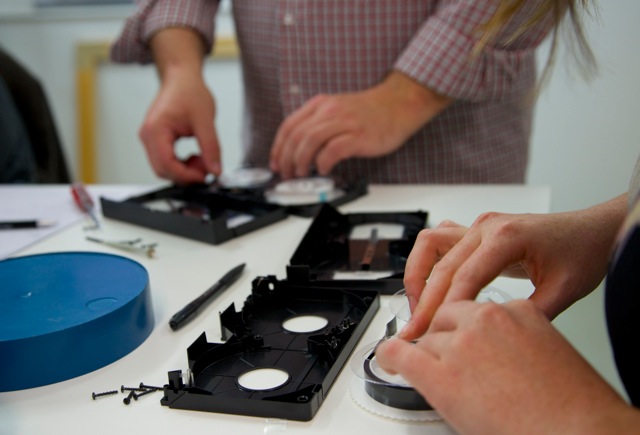
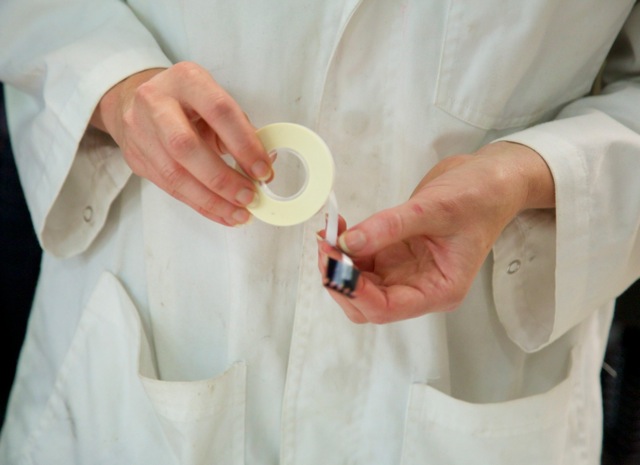
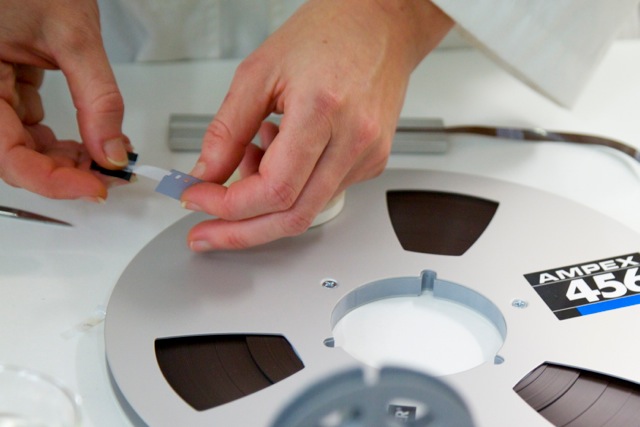

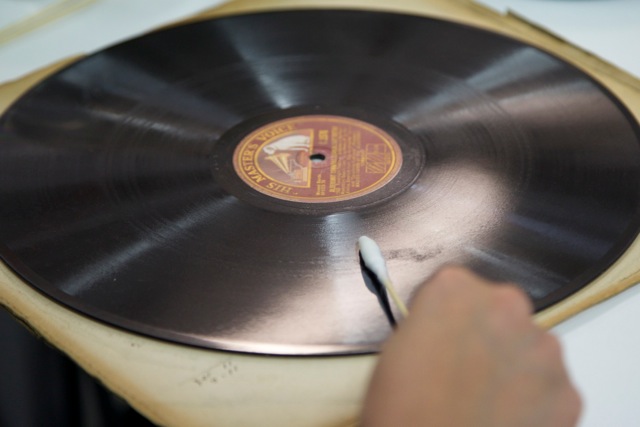
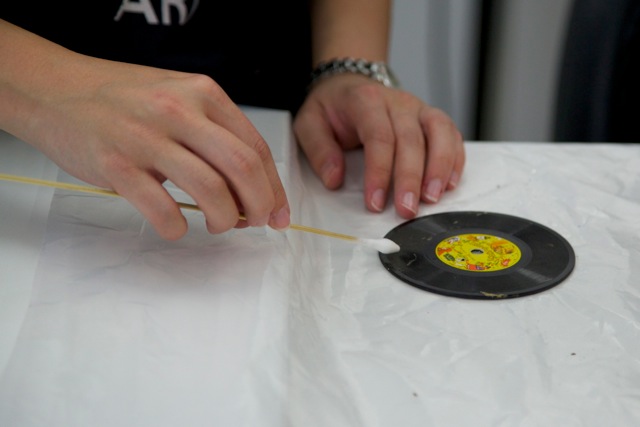
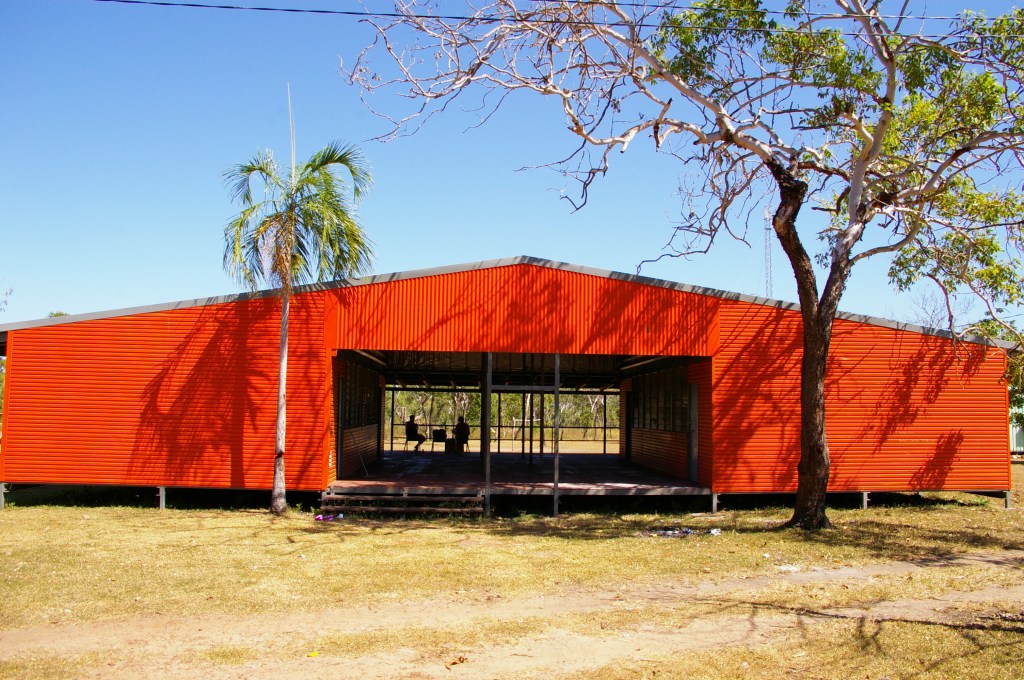
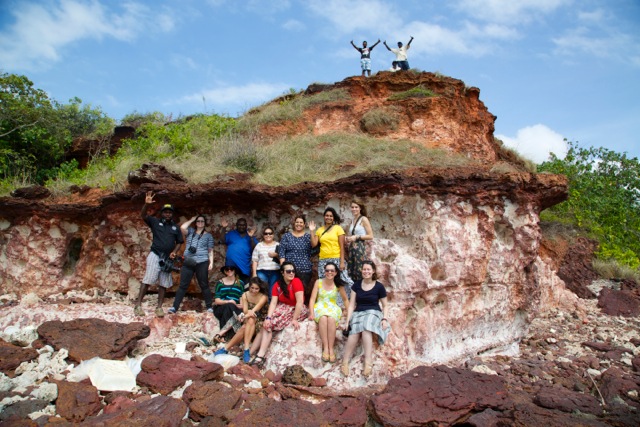
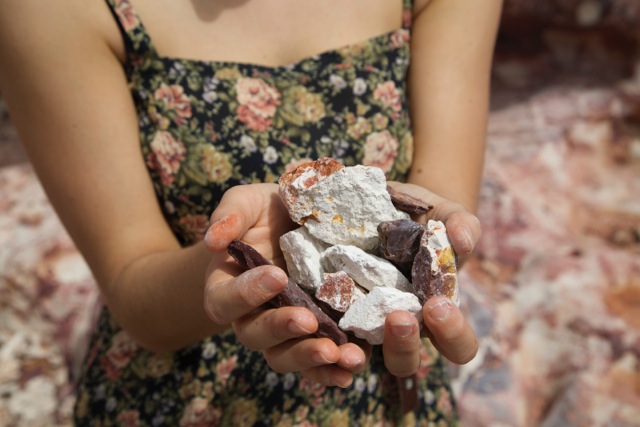
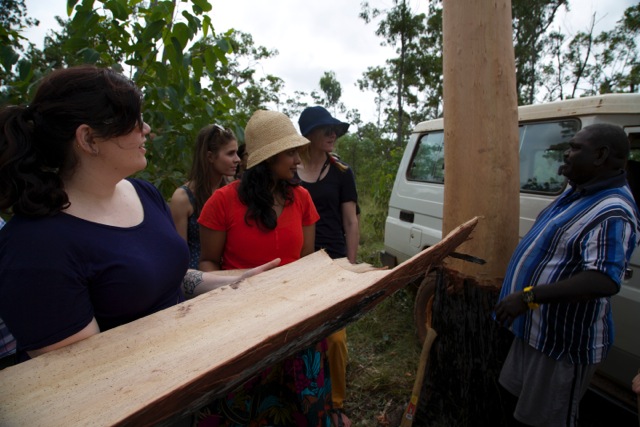
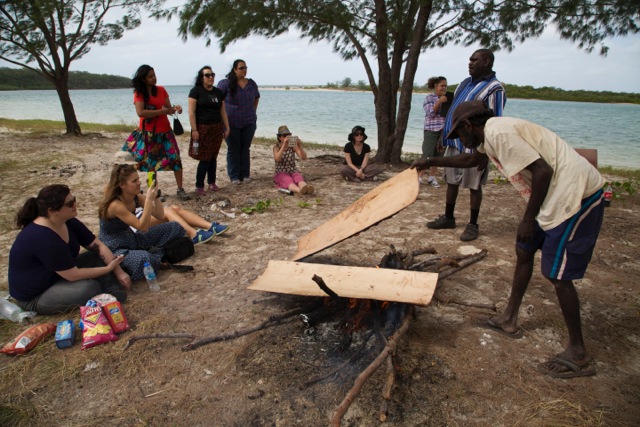
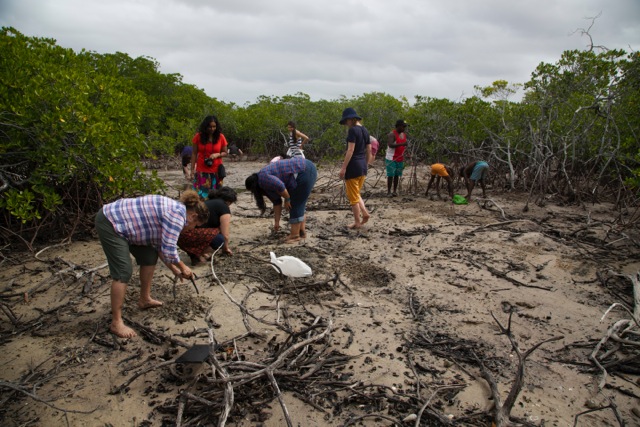
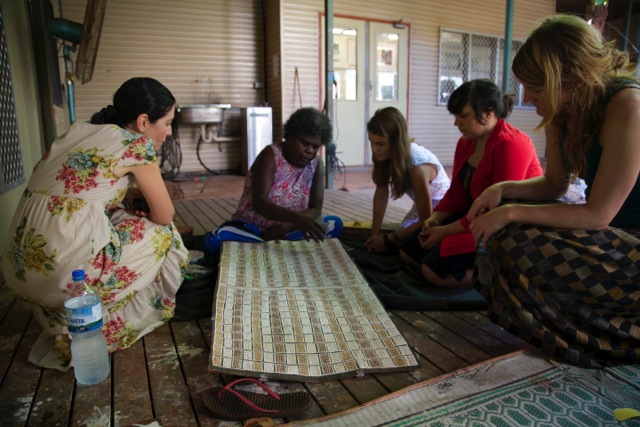
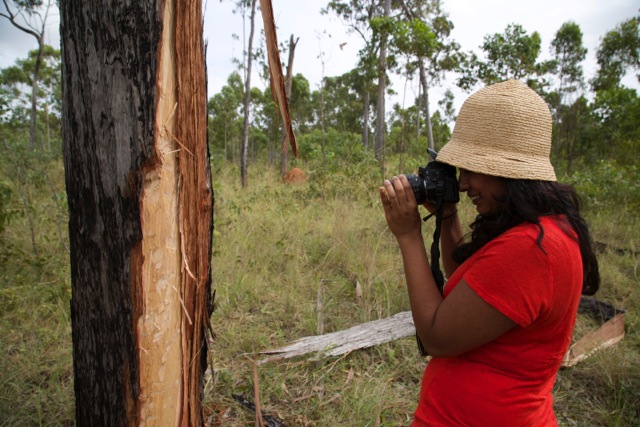
Here is a selection of my photos from ‘content creation in the field’ subject, which was ran out of Buku-Larrnggay Mulka in Yirrkala, Northeast Arnhem Land:
https://handbook.unimelb.edu.au/view/2014/CUMC90023COLLECTING WHITE OCRE
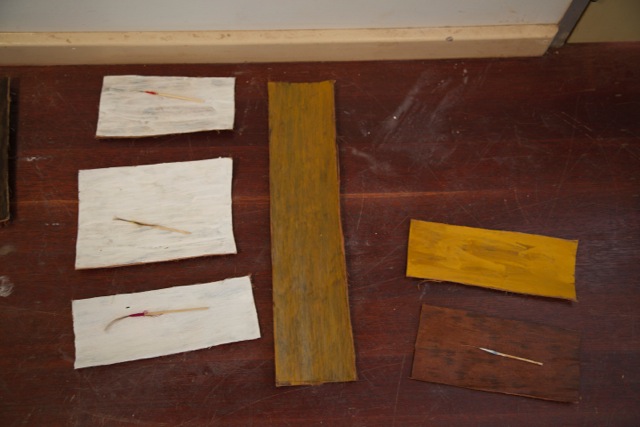
 COLLECTING BARKS
 PREPARING BARKS

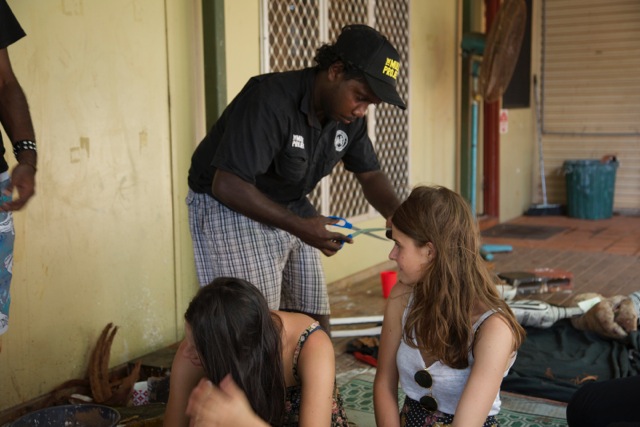
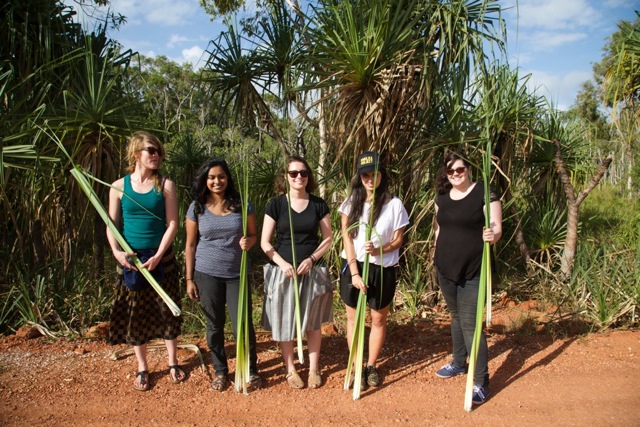
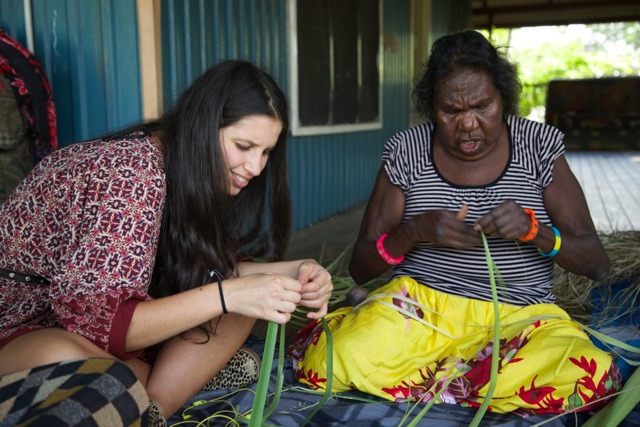
 COLLECTING FIBRE FOR BASKETS
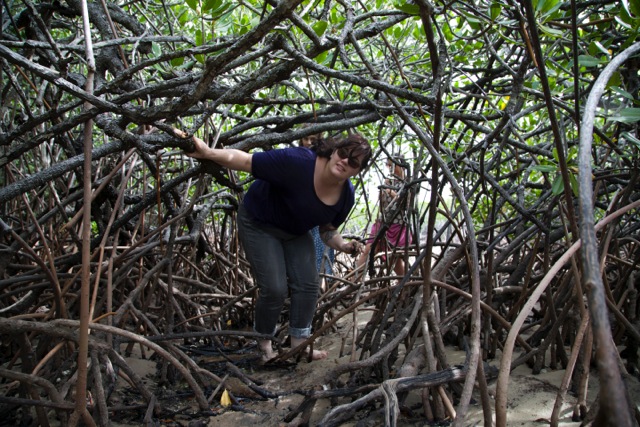
 COLLECTING LUNCH
 RESTORING ARTWORKS
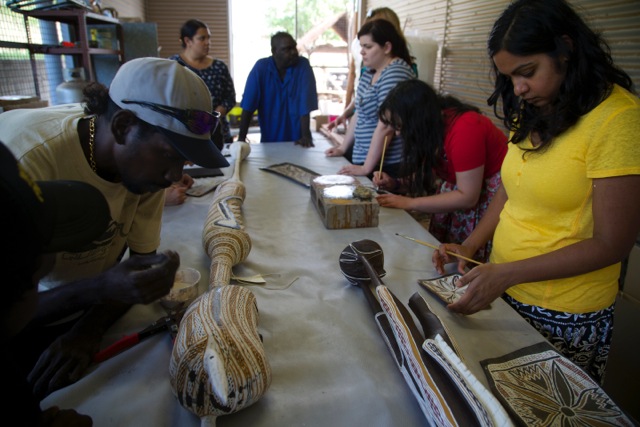 CLEANING MUSEUM COLLECTION
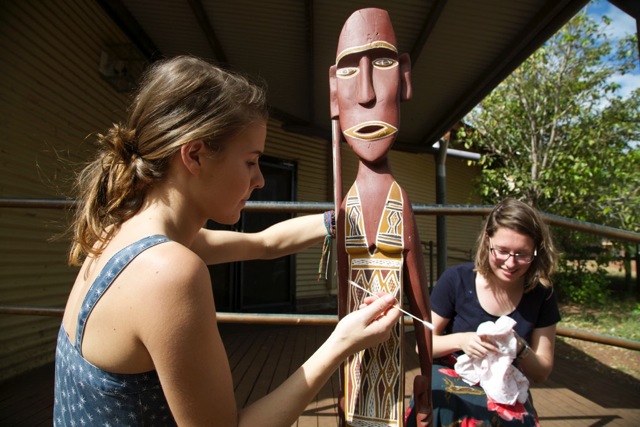
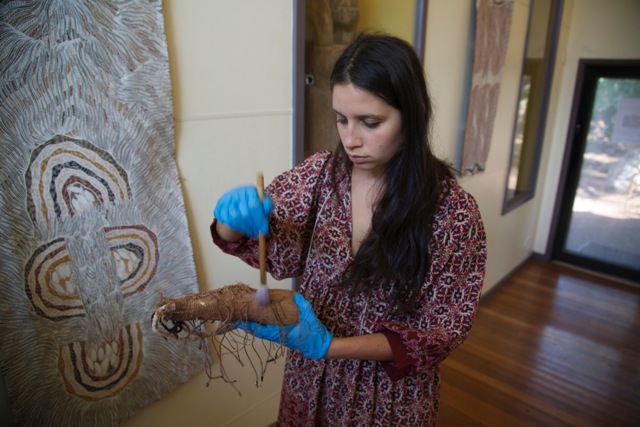 DOCUMENTING WORKS
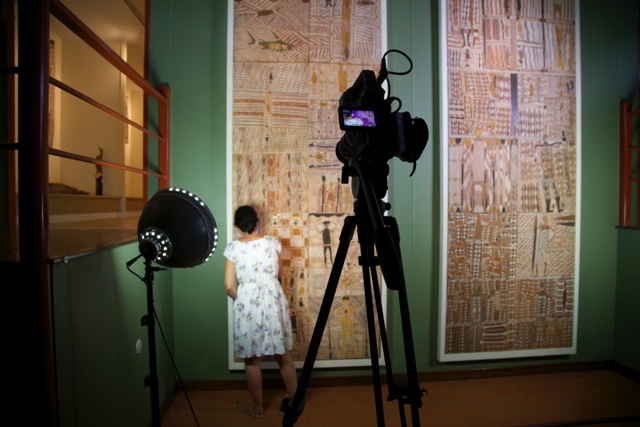
DISPLAYING WORKS
Larger files sizes available from: https://flic.kr/s/aHsjZsMEVH
-
Manikay archive

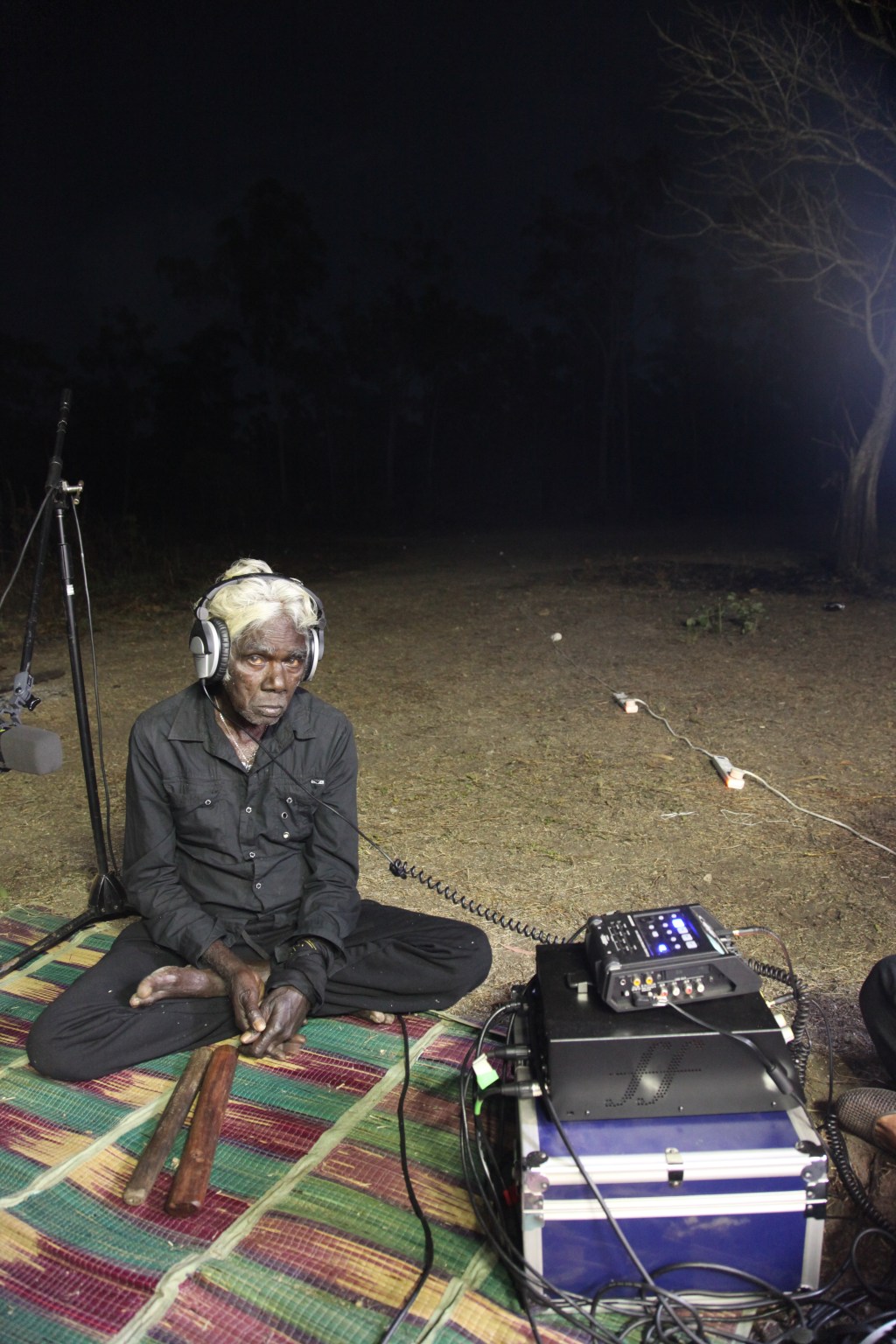
Manikay (traditional songs) were once everywhere in Australia, now Northeast Arnhem Land is one of Australia’s few surviving regions for this living tradition. I produced a six 6CD set of Northeast Arnhem Land’s unique and endangered performance traditions in partnership with Sara Harvey, Randin Graves and Jeremy Cloake.
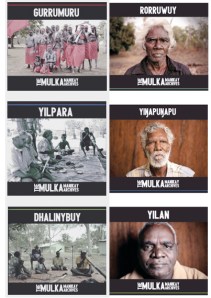
Winner of Best Traditional music recording at the National Indigenous Music Awards in 2010 and 2011 Live recording I shot and edited for Rorruwuy CD.
The manikay archives I coordinated required artists management, sound production, distribution, online marketing and grant management. The projects focus was two-fold; the preservation and continuing practice of performance traditions and integrating young people and emerging song men to maintain intergenerational knowledge transfer.
The Manikay archive exists as an income stream, public library and arts project that provides isolated Yolngu communities with digital documentation and AV products to promote, maintain and revive cultural activities. Income generated by the project has given us the opportunity to develop the knowledge by creating a sound archive accessible to the local community.
 amazon DOWNLOADemusic DOWNLOADitunes DOWNLOAD
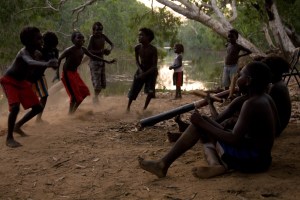
The manikay archive propelled emerging musical projects, allowing us to support young artists Rrawun Maymuru and Garrangali Band.
Winner of best new talent at the 2011 National Indigenous music awardsdownload local knowledge -
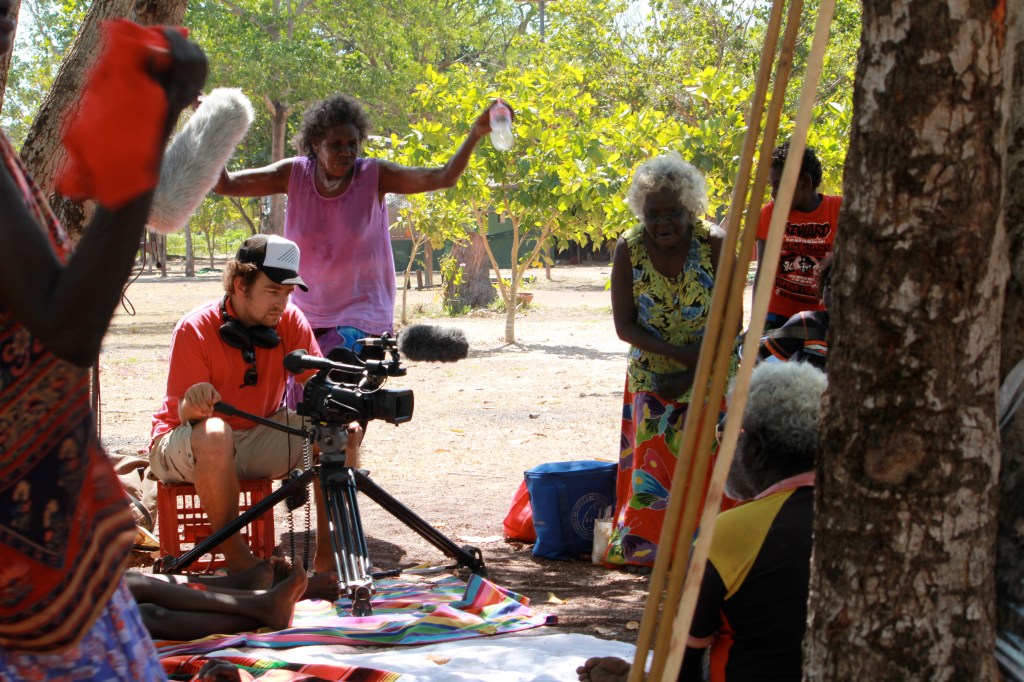
Dance database
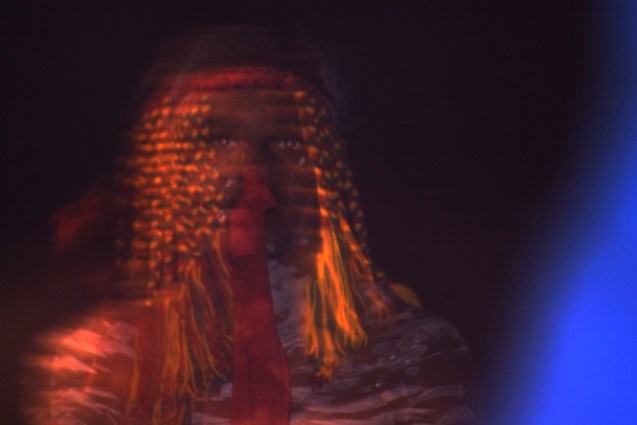
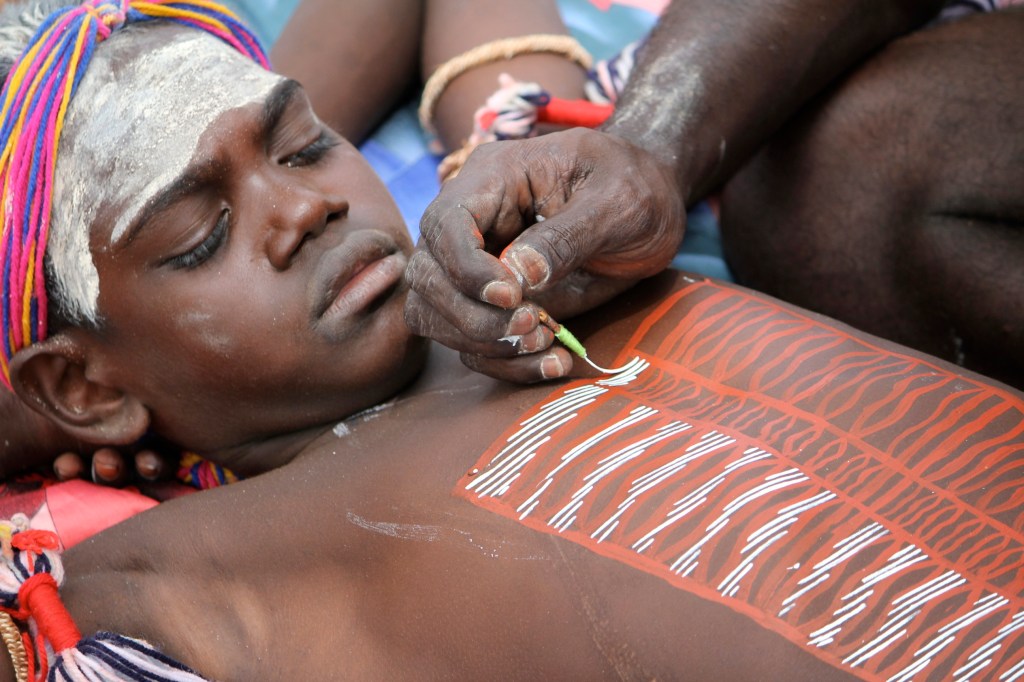
 A collection of locally recorded and documented dance performances featuringIndigenous groups from around Australia.
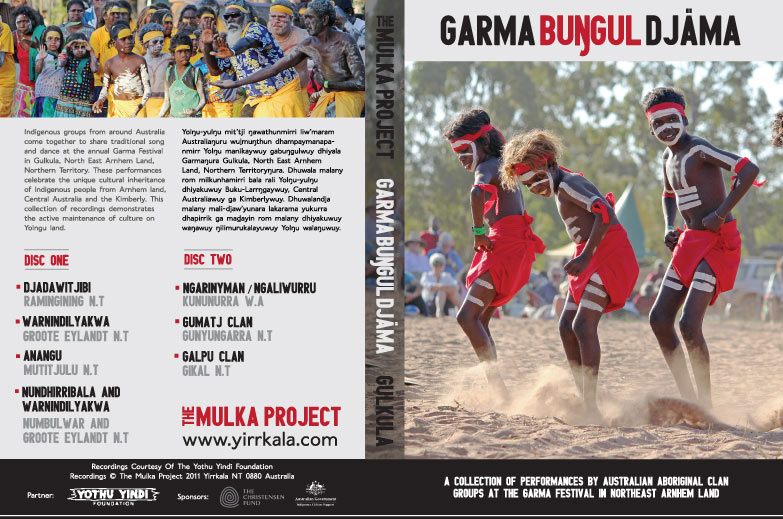 The library features traditional song and dance and is maintained and controlled by the performers featured. This model celebrates the unique cultural inheritance of indigenous people and demonstrates the active maintenance of culture on country.
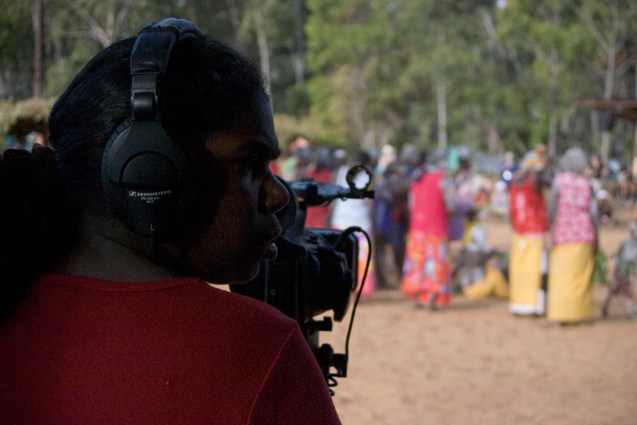 Performance groups I’ve recorded and archived include: Gumatj, Maringa, Mawung, Mimi Dancers, Marrdarrpa, Red flag, Datiwuy, Galpu, Djadawitjibi Nundhirribala, Anangu, Warnindilyakwa Ngarinyman, Tiwi, Beswick.
-
To Hold and Protect
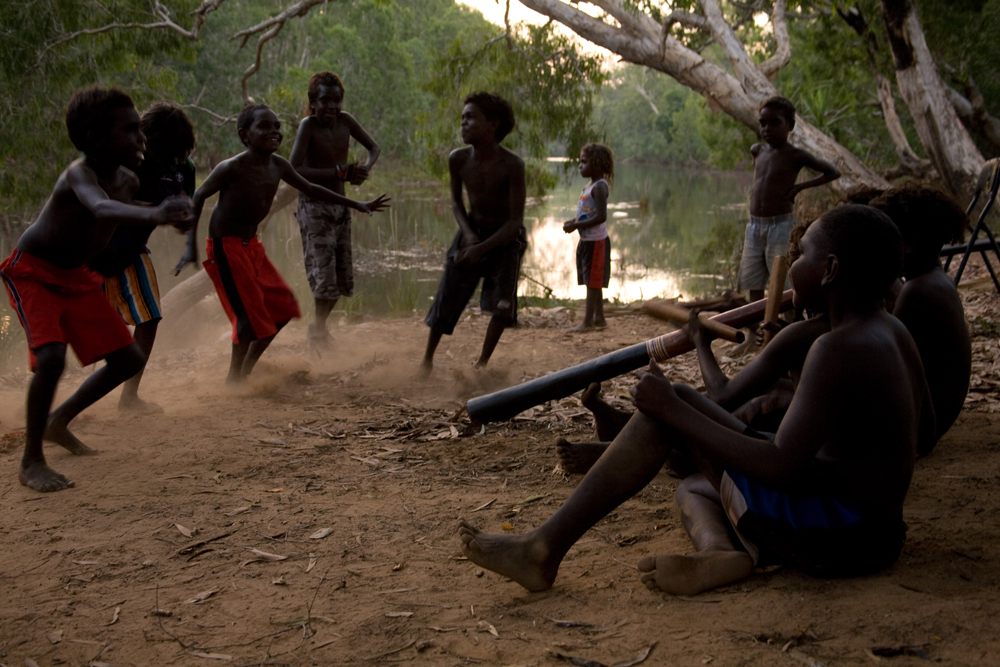
Yolngu were independently recording cultural action with reel to reel and cassette recorders throughout the 80’s and 90’s. These musical performances were distributed locally to celebrate and teach traditional songs. The Mulka Project continues this tradition by providing a range of production and postproduction facilities. The support of philanthropic and government funding has resulted in editors, archivists, curators, producers and directors become permanent employees. And a pool of freelance staff has developed, building a local network to document and distribute cultural action. Over the last thirty years, Wukun Wanambi has seen Yolngu take control of their representation, “through our journey Yolngu law was passed on to outsiders with their cameras and microphones who wanted to understand the way we live and survived. Now we’re still passing on our law through cameras and microphones, but instead we got the facilities on our country, to share our law with our people and the world.” Permanent access to audiovisual tools has lead to international film festivals prizes, corporate commissions, broadcast television, and art awards. Therefore the model of making content for a Yolngu audience does not necessarily exclude non-Yolngu audiences. In fact serving a local purpose enhances global interest due to the uniqueness of the product.
The local refusal to be dominated by external forces is practiced by maintaining a focus on a local audience. Yumitjin Wunungmurra believes, “kids are always learning about western culture for work and education, but Yolngu have culture, we have our songs and laws, Mulka is about representing us.”
“Working at Mulka you learn both media production and Yolngu law. We show the kids how old people fight for country with painting, song and dance. Us young people have to follow their footsteps and learn what the old people have done for us to keep their dreams flowing. My songs, my culture, my land is in the songlines, it tells my story. The knowledge in the songs needs to be studied and practised. So that I can pass it on to my kids, and their kids. I listen to the audio recordings so I’m ready to lead my family and sing at ceremony. Mulka staff member, Ishmael Marika
Owning a production house alongside an audiovisual library gives the community access to historical documents and new technology. This provides ways to process fragments of recorded history and assemble representations of cultural substance. Dialogue among different versions of history fulfils the original vision of inaugural Mulka Cultural Director, Dr Marika, “We want to bring knowledge of the past to the present, to preserve it for future generations and to understand what meaning it has in the present day and age.”
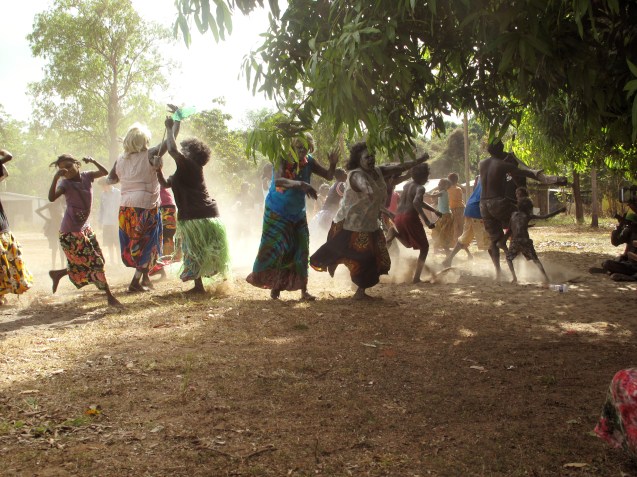
“As the Mulka Project is growing up we need to be clear that it is just a resource and the law and culture is coming from the land where people are staying, even where there is no one staying, its patterns, the designs and culture, are coming from the country.” Djambawa Marawili, Mulka Board member.
From ARTLINK
-
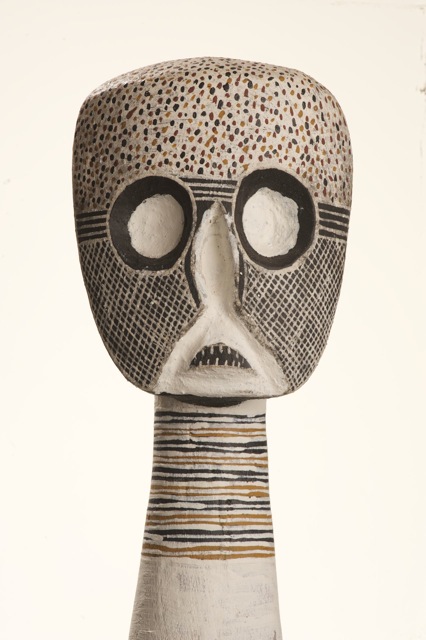
Buku-Larrnggay Mulka
Profile film I Produced and Directed for Australian Government – FaHCSIA
(Source: http://www.youtube.com/)Media-rich site I developed with funding from the Northern Territory Government. -
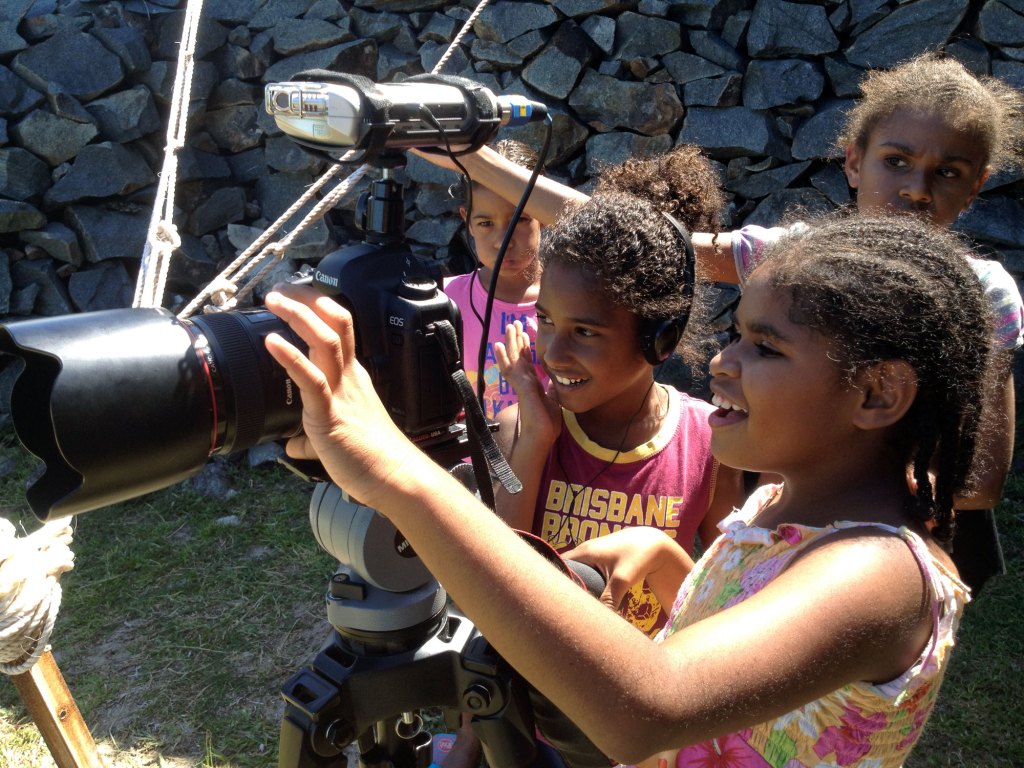
Stories Under Tagai
Filmed video series for Arts Queensland and the State Library of Queensland exploring traditional storytelling, intergenerational knowledge transfer, indigenous arts and youth cultural programs. The films were shot across six Torres Strait Islander communities and were featured as part of the Torres Strait Cultural festival. More